
Mold Inspection Smyrna GA: Independent, Third-Party Mold Assessment
If you smell something musty in your hallway closet, spot dark spotting along a baseboard, or just feel uneasy after a summer of heavy rain, you need a mold inspection in Smyrna, GA from a company that answers to you — not to a remediation contractor looking for its next job. We find mold, we document it, and we tell you exactly what the lab results mean. We do not sell remediation, so we have no reason to exaggerate what we find.
- Independent third-party inspection
- IICRC-standard methods
- Accredited third-party lab
- Smyrna, GA 30080 & 30082
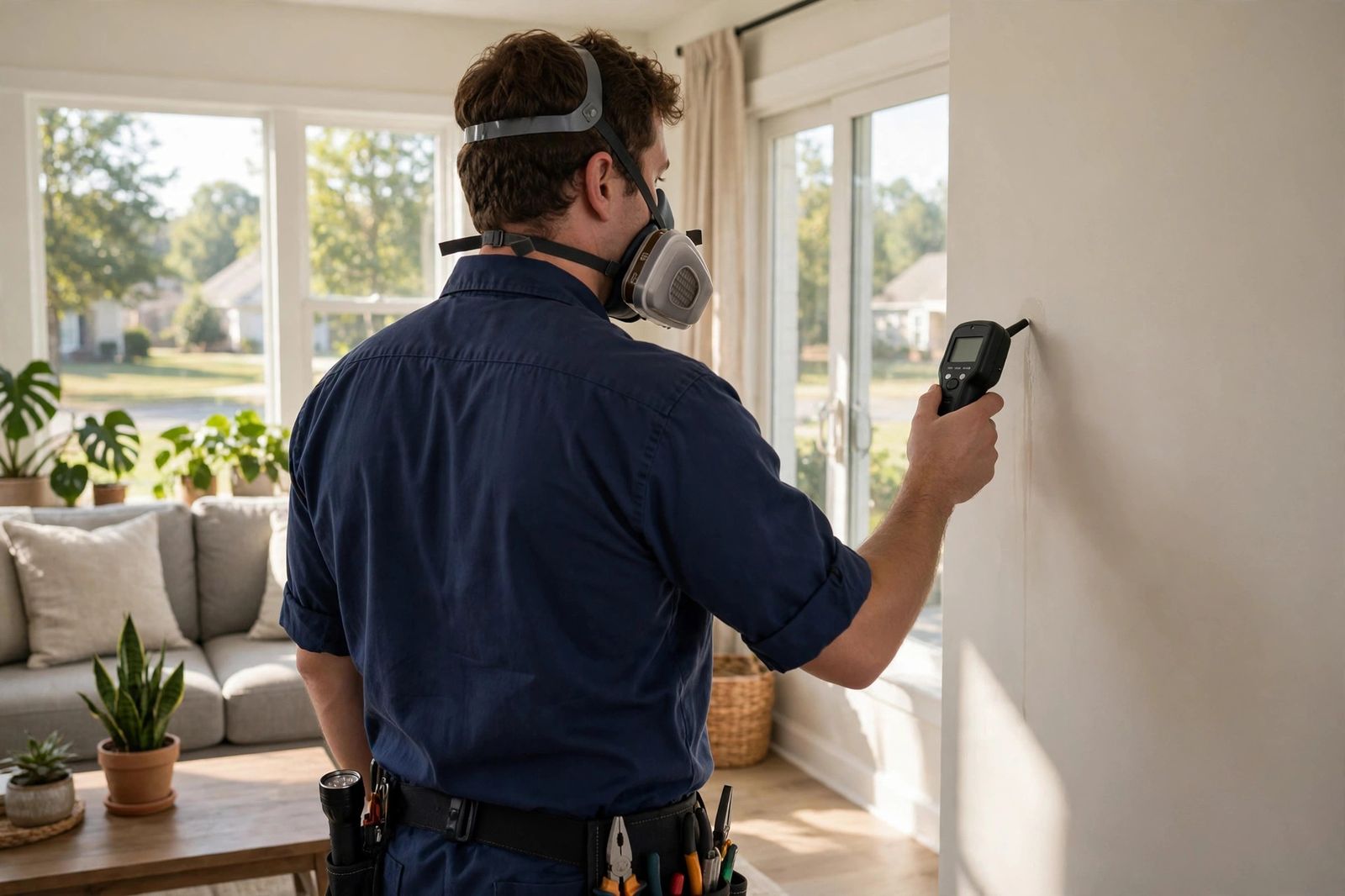 Independent • Third-Party

Every mold inspection Smyrna GA homeowners book with us follows the same disciplined method: a detailed visual assessment of the home's interior, attic, crawl space or basement, and HVAC system; moisture mapping with professional meters and thermal imaging; targeted surface and air sampling sent to an accredited third-party laboratory; and a written report with photographs, lab results, and plain-language findings. You get evidence, not sales pressure — and a document you can hand to a remediator, a landlord, an insurance adjuster, or a buyer's attorney with confidence.
We serve every corner of the city — from the 1940s brick ranch homes of Belmont Hills and Smyrna Heights to the new infill construction near Market Village and the apartment and condo communities of Cumberland. Our inspectors know which Smyrna, Georgia neighborhoods sit on flood-prone creek bottoms, which streets were hit hardest in the September 2009 flood, and where red Georgia clay and vented crawl spaces combine into the perfect mold habitat. That local knowledge matters, because mold in Smyrna doesn't behave like mold in Arizona — it behaves like mold in humid subtropical Georgia, and it needs a Smyrna mold inspector to read it correctly.
Call (770) 542-0091 to schedule your mold inspection in Smyrna, GA. You will speak directly with a local inspector, not a call center.
Why Smyrna, Georgia Homes Grow Mold: The Local Story
Mold needs three things: moisture, food, and time. In Smyrna, Georgia, the climate hands it all three on a platter, and the city's housing stock and hydrology do the rest. Understanding why mold inspection in Smyrna, GA is such a common need starts with understanding the ground your house sits on and the air that moves through it.
Humid Subtropical Climate and Year-Round Moisture in Smyrna, GA
Smyrna sits in the humid subtropical zone: hot, humid summers, mild winters, and no real dry season. Average relative humidity hovers around 70 percent, and the metro receives roughly 50 inches of rain per year. For mold, the magic number is 60 percent — sustain indoor relative humidity above 60 percent and most common mold species can colonize drywall, wood framing, and the paper backing of insulation. In Smyrna, Georgia, outdoor humidity exceeds that threshold for much of the year, which means any pathway that lets outside air or ground moisture into the building envelope — a vented crawl space, a leaky duct, a poorly sealed attic hatch — feeds the indoor mold cycle continuously.
Summer is the worst of it. Afternoon thunderstorms dump inches of rain in an hour, humidity spikes, and air conditioning systems run hard. But air conditioners in older Smyrna homes are often oversized for the ductwork or short-cycle, which cools the air without wringing enough moisture out of it. The result is a house that feels clammy at 74 degrees — a classic sign we flag during a mold inspection in Smyrna, GA — and hidden condensation inside wall cavities and duct chases where Cladosporium and Penicillium quietly establish colonies.
Red Georgia Clay, Vented Crawl Spaces, and the Smyrna, GA Mold Reservoir
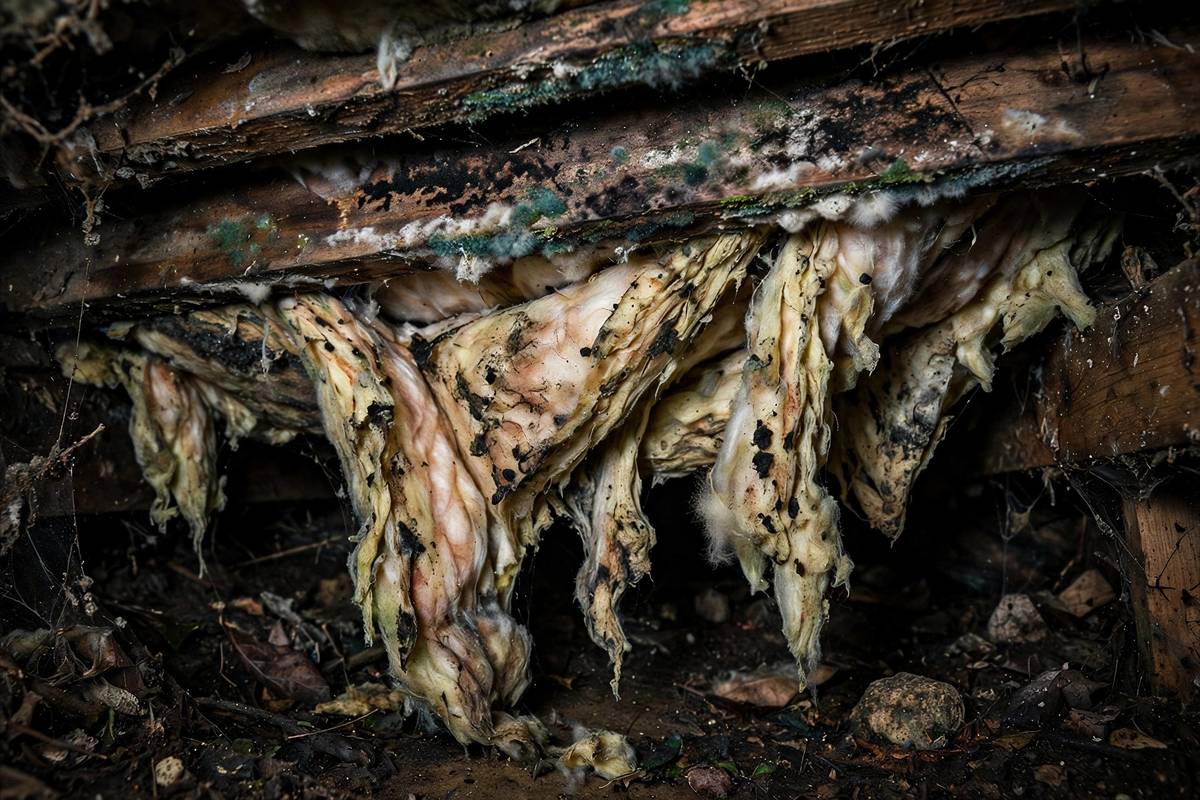
Much of Smyrna's mid-century housing sits on pier-and-beam foundations over vented crawl spaces, surrounded by the dense red Georgia clay that gives the region its famous soil. That clay drains poorly. After a heavy rain, water pools against foundation walls and migrates through porous block and mortar into the crawl space, where it evaporates into air that has nowhere to go in a poorly vented or improperly vented cavity. We consider vented crawl spaces the number-one mold reservoir in Smyrna, Georgia homes: dark, warm, and perpetually damp, with fiberglass batt insulation sagging between floor joists like a sponge.
During a crawl space mold inspection in Smyrna, GA, we routinely find Aspergillus and Penicillium on floor joists and subflooring, and Cladosporium — the most common outdoor and indoor mold in the Southeast — thriving on the paper facing of insulation. In crawl spaces with a history of standing water, we find Stachybotrys chartarum, the so-called black mold, on saturated wood and drywall. The clay doesn't just trap water outside; it keeps the water table high enough that sump pits and French drains, where they exist in older Smyrna homes, often run for days after a storm.
The September 2009 Flood and Smyrna, Georgia's Recurring Water Events
Ask any long-time Smyrna resident about water, and they will mention September 2009. That month, a stalled weather system dumped catastrophic rain across metro Atlanta, and Rottenwood Creek — which runs through central Smyrna — peaked at 11.74 feet, far above flood stage. Homes and businesses along the creek and its tributaries took on water, and the drying that followed was often incomplete: wet drywall left in place, soaked insulation never removed, crawl spaces pumped out but never properly dried. More than fifteen years later, we still find mold colonies in Smyrna, Georgia homes that trace directly back to water intrusion from that event — Stachybotrys behind baseboards, Aspergillus inside wall cavities that were "dried" with a box fan and a coat of paint.
The 2009 flood was not a one-time anomaly. Smyrna's creek system — Rottenwood Creek through the center of town, Nickajack Creek along the south, Sope Creek to the northeast, and the Chattahoochee River forming the eastern boundary — floods on a recurring cycle. Tropical systems and training thunderstorms have produced damaging flash floods in Smyrna repeatedly, including significant flash flooding as recently as September 2026. Each event soaks a new set of homes, and each set of homeowners faces the same question: was it dried properly, or is mold growing inside the walls right now? A professional mold inspection in Smyrna, GA after any flood or significant water intrusion is how you answer that question with evidence instead of hope.
1940s–1960s Ranch Stock, New Infill, and Cumberland Condos: Smyrna, GA Housing and Mold Risk
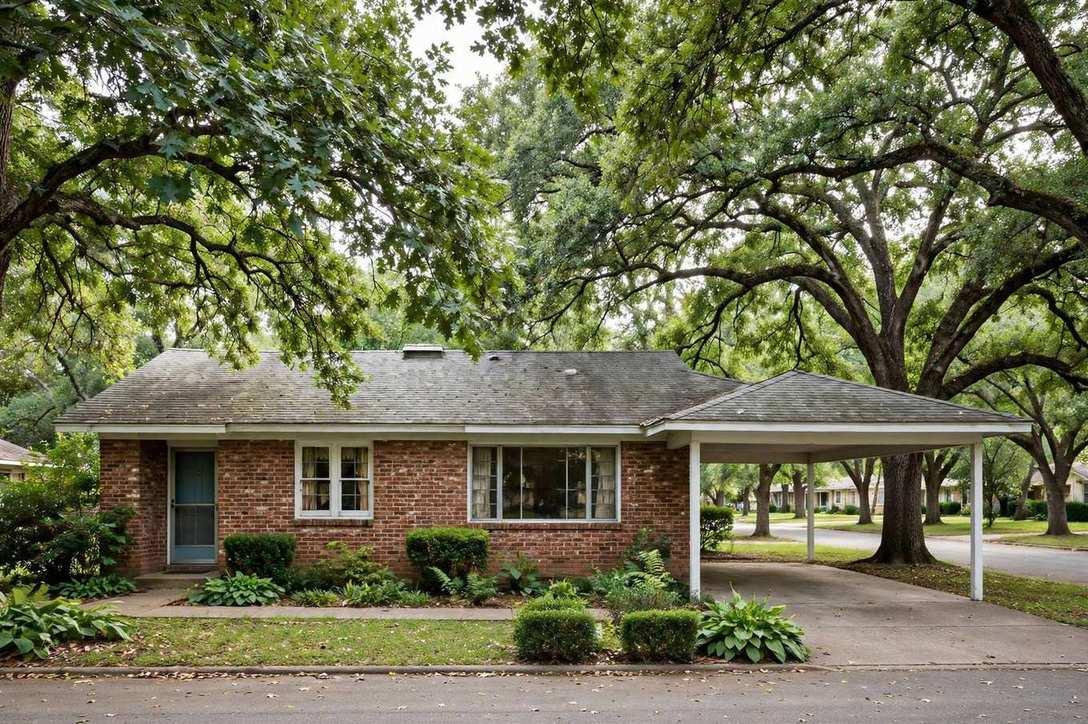
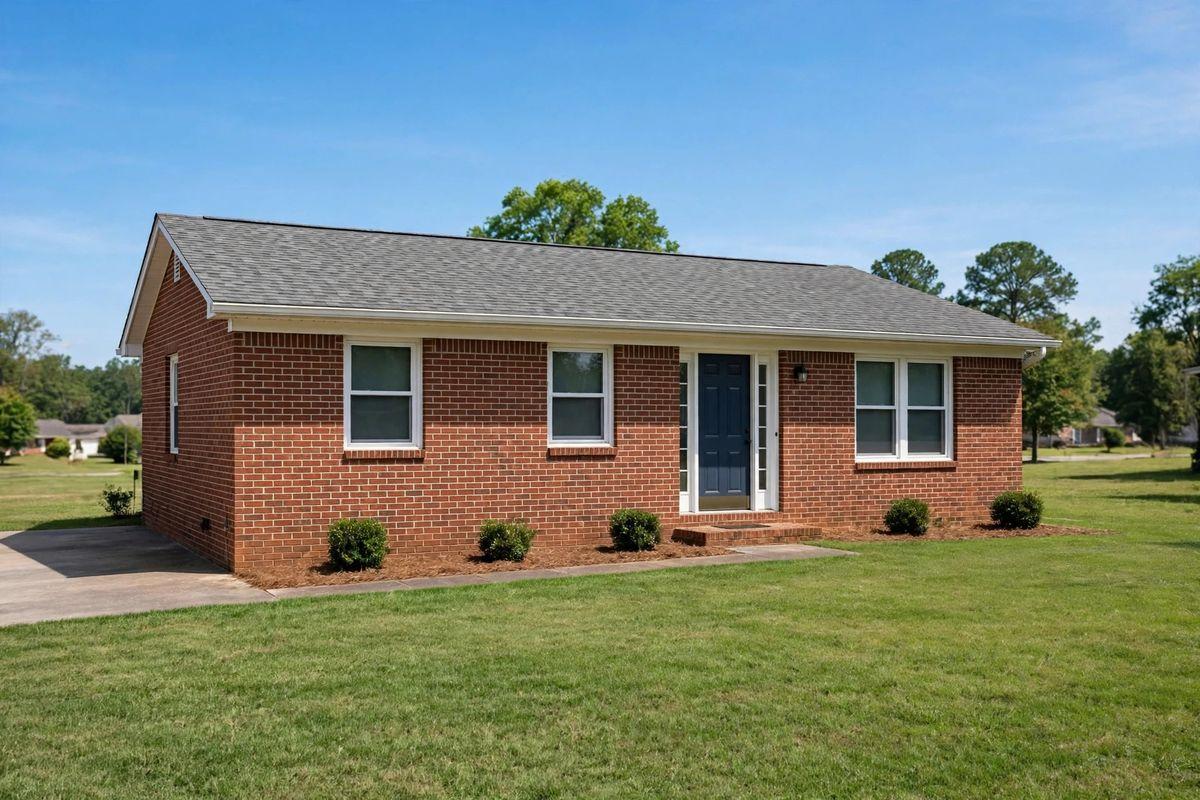
Smyrna's housing tells the mold story in three chapters. The first is the 1940s–1960s brick ranch — the classic Smyrna home, built for workers at the nearby Bell Bomber plant (which later became Lockheed) and their families, in subdivisions like Belmont Hills, Smyrna Heights, and the streets around Williams Park. These homes have had sixty to eighty years for plumbing to develop slow leaks, for roofs to be patched rather than replaced, for original galvanized supply lines to weep inside walls, and for crawl spaces to accumulate decades of moisture history. Their brick veneer hides wood framing that has been wet and dried and wet again more times than anyone can count.
The second chapter is new infill construction — teardowns replaced by tall, tight new homes on the same clay lots. These homes are better sealed, but they are also less forgiving: when a new-construction plumbing leak or a flashing failure lets water into a wall, the tight envelope traps it, and mold grows fast in the dark. We inspect plenty of five-year-old Smyrna, Georgia homes with active mold behind shower surrounds and under windows.
The third chapter is Cumberland — the dense district of apartments, condominiums, and townhomes clustered around Cumberland Mall, the Cobb Galleria area, and the Battery Atlanta near Truist Park. Shared walls, stacked plumbing, flat or low-slope roof sections, and HVAC systems serving multiple units mean one leak becomes several households' mold problem. Renters in Cumberland call us when landlords dismiss their concerns; buyers call us before purchasing a condo where the HOA's maintenance history is a mystery.
Common Mold Species Found During Mold Inspection in Smyrna, GA
Laboratory results from Smyrna, Georgia homes follow a consistent pattern that reflects the local climate. Cladosporium is the most frequently identified genus — it thrives on damp window sills, bathroom tile grout, and the back of wallpaper in humid homes, and it is a known allergen. Aspergillus species colonize damp drywall, insulation, and stored cardboard in basements and crawl spaces; some species produce mycotoxins and can affect immunocompromised individuals. Penicillium spreads fast across water-damaged building materials and is a frequent finding in Smyrna crawl spaces and behind kitchen and bath plumbing. Stachybotrys chartarum — true black mold — appears where materials have stayed saturated for extended periods: behind baseboards after flooding, on the back of drywall under long-term roof leaks, and in crawl spaces with chronic standing water. Identifying the species matters because it tells us how long the moisture problem has existed and how aggressive the response should be — which is why every Smyrna Mold Inspection assessment includes accredited third-party lab analysis rather than guesswork.
Mold Inspection in Smyrna, GA: Our Full Lineup of Services
Smyrna Mold Inspection offers twelve specialized inspection services, each designed for a specific mold problem and each performed as an independent, third-party assessment. Every service includes a visual inspection, moisture mapping, and laboratory-backed findings. Browse the full lineup below — each service has its own dedicated page with complete details.
Mold Testing in Smyrna, GA
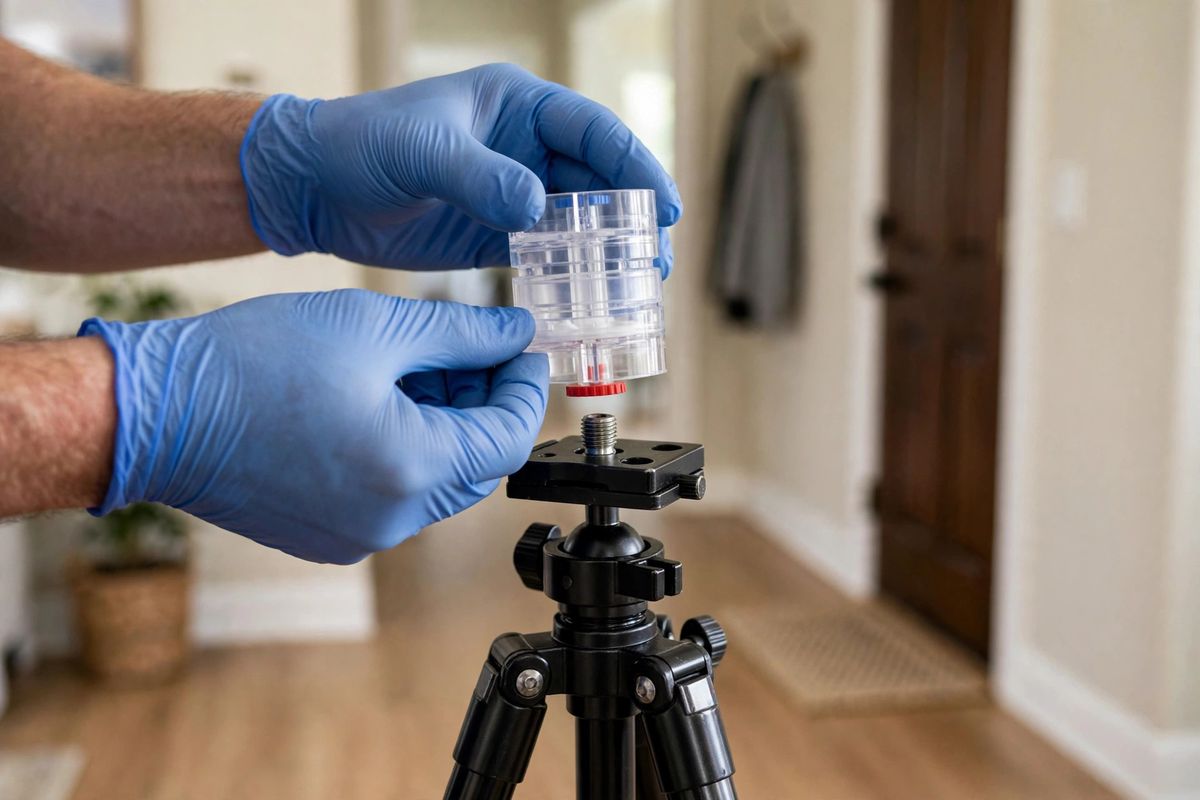
When you need hard evidence — for a landlord dispute, an insurance claim, or your own peace of mind — our mold testing in Smyrna, GA service provides accredited laboratory analysis of air and surface samples taken from your home. We use spore-trap air cassettes, swab and tape-lift surface sampling, and bulk material sampling where appropriate, all analyzed by an independent third-party lab. You receive species identification and spore counts compared against outdoor baseline samples taken the same day.
Learn more →Black Mold Inspection in Smyrna, GA
Stachybotrys chartarum and other dark-pigmented molds demand a focused assessment because of where and how they grow — on chronically saturated drywall, wood, and ceiling tiles. Our black mold inspection in Smyrna, GA targets the locations black mold favors in local homes: flood-affected wall cavities along Rottenwood and Nickajack Creeks, long-term roof-leak zones, and crawl spaces with standing-water history. We confirm species through lab analysis so you know exactly what you are dealing with.
Learn more →Indoor Air Quality Testing in Smyrna, GA
Musty odors, allergy symptoms that ease when you leave the house, and visible mold nowhere to be found — these are indoor air quality problems. Our indoor air quality testing in Smyrna, GA measures airborne spore concentrations room by room, compares them to outdoor baselines, and checks the humidity and ventilation conditions driving the problem. It is the right service when the house feels wrong but the walls look clean.
Learn more →Crawl Space Mold Inspection in Smyrna, GA
The vented crawl space is the number-one mold reservoir in Smyrna, Georgia homes, and it deserves its own dedicated assessment. Our crawl space mold inspection in Smyrna, GA covers the full cavity: subflooring, floor joists, sill plates, insulation, vapor barrier condition, foundation vents, and drainage. We document moisture intrusion from red clay soil, plumbing leaks, and groundwater, and our report distinguishes active growth from old staining — a distinction that saves Smyrna homeowners from unnecessary remediation.
Learn more →Attic Mold Inspection in Smyrna, GA
Attic mold in Smyrna, Georgia usually traces to one of three causes: a roof leak, a bathroom exhaust fan venting into the attic instead of outside, or condensation on the underside of roof decking. Our attic mold inspection in Smyrna, GA examines roof decking, rafters, insulation, soffit and ridge ventilation, and every bath and dryer vent termination. Because attics are rarely visited, growth is often extensive before discovery — we catch it early or document the full extent for remediation planning.
Learn more →Basement Mold Inspection in Smyrna, GA
Smyrna homes built on sloped lots — common near the Chattahoochee corridor and along Sope Creek — often include basements or daylight lower levels where hydrostatic pressure pushes groundwater through block walls and floor slabs. Our basement mold inspection in Smyrna, GA maps moisture entry points, inspects finished basement walls where mold hides behind drywall, evaluates sump and drainage systems, and samples where needed. Finished basements are especially vulnerable because the finished surfaces conceal the first signs of trouble.
Learn more →HVAC Mold Inspection in Smyrna, GA
Your air handler can be a mold distribution system. Condensate drain pans, evaporator coils, and ductwork — especially flex duct in hot Smyrna attics and damp crawl spaces — collect dust and moisture that feed Aspergillus and Cladosporium colonies. Our HVAC mold inspection in Smyrna, GA opens the air handler, inspects the coil and drain pan, evaluates ductwork condition, and samples supply air to determine whether the system is spreading spores through the home. We also flag oversized or short-cycling systems that leave indoor humidity too high.
Learn more →Pre-Purchase Mold Inspection in Smyrna, GA
Buying a home in Smyrna — whether a 1950s ranch in Smyrna Heights or a condo in Cumberland — without checking for mold is a gamble on the most expensive purchase of your life. Our pre-purchase mold inspection in Smyrna, GA is built for the contingency timeline: fast scheduling, same-week reporting, and a written report with photographs and lab results you can take to negotiation. We focus on the high-risk zones buyers miss during a walkthrough — crawl spaces, attics, basements, and behind-access plumbing — and we document pre-existing water damage that a general home inspection may only note in passing.
Learn more →Mold Clearance Testing in Smyrna, GA
After remediation is complete, how do you know it worked? Our mold clearance testing in Smyrna, GA — also called post-remediation verification — answers that question independently. We return after the remediator has finished and the containment is down, take air and surface samples in the remediated areas, and compare them against outdoor baselines and unaffected indoor areas. Because we do not perform remediation, our clearance verdict is unbiased: the job passed, or it did not. Many Smyrna remediation contracts require third-party clearance before final payment, and our documentation satisfies that requirement.
Learn more →Commercial Mold Inspection in Smyrna, GA
Office buildings, retail spaces, restaurants, and multi-unit residential properties around Cumberland, the Church Street corridor, and greater Smyrna face mold risks at a larger scale: flat roofs, complex HVAC, and tenant turnover that hides maintenance history. Our commercial mold inspection in Smyrna, GA scales the residential method to commercial buildings — multiple HVAC zones, roof systems, common areas, and tenant spaces — with reporting formatted for property managers, owners, and facility teams. We work around business hours to minimize disruption.
Learn more →Mold Inspection Cost in Smyrna, GA
What should a mold inspection cost in Smyrna, Georgia, and what drives the price up or down? Our mold inspection cost in Smyrna, GA page breaks down the real factors: home size, number of samples, crawl space and attic accessibility, and whether you need lab rush service. We publish honest broad ranges — never exact prices — and explain exactly what is included in every assessment so you can compare inspectors on substance rather than salesmanship.
Learn more →Georgia Mold Rental Guide in Smyrna, GA
Guidance for Georgia renters and landlords on mold documentation — what Georgia rental law covers, how to document a mold problem, and how an independent inspection report supports your case in Smyrna, GA.
Learn more →How Our Mold Inspection Works in Smyrna, Georgia: Step by Step
A professional mold inspection in Smyrna, GA should be methodical, documented, and transparent. Here is exactly what happens when you book with Smyrna Mold Inspection:
Step 1: The Interview — Your Smyrna, GA Home's Moisture History
Every inspection starts with questions, not instruments. We ask about past leaks, floods, and roof repairs; about musty odors and their locations; about allergy or respiratory symptoms and whether they improve away from home; about the age of the HVAC system and water heater; and about any known history — including whether the home took water in September 2009 or in the September 2026 flash floods. Your answers tell us where to look first.
Step 2: Exterior and Building Envelope Review in Smyrna, GA
We walk the exterior looking for the moisture pathways Smyrna's climate exploits: grading that slopes toward the foundation, clogged or missing gutters, roof valleys and flashing failures, stucco or siding damage, and hose bibs or irrigation heads spraying the foundation. On Smyrna's red clay lots, poor grading is one of the most common root causes we document.
Step 3: Interior Visual Assessment Across Your Smyrna, Georgia Home
Room by room, we inspect ceilings, walls, baseboards, window sills, and flooring for staining, warping, peeling paint, and visible growth. We check under sinks, behind toilets and washing machines, around water heaters, and inside closets on exterior walls — the places Smyrna homeowners rarely examine closely. Every observation is photographed.
Step 4: Attic, Crawl Space, and Basement Entry in Smyrna, GA
This is where most mold inspections earn their fee — or fail to. We physically enter accessible attics, crawl spaces, and basements. In the attic we check decking, ventilation, and vent terminations. In the crawl space we examine joists, subfloor, insulation, vapor barriers, and drainage. In basements we map moisture entry through walls and slabs. If an area is inaccessible, we say so in the report rather than guessing.
Step 5: Moisture Mapping and Thermal Imaging in Smyrna, Georgia
Using pin and pinless moisture meters plus thermal imaging, we map moisture inside walls, ceilings, and floors — finding the wet areas that have not yet shown visible mold. This step distinguishes a professional mold inspection in Smyrna, GA from a quick look-around: it finds tomorrow's mold colonies while they are still just moisture problems.
Step 6: Targeted Sampling and Third-Party Lab Analysis for Smyrna, GA Homes
Where we find suspect growth or elevated moisture, we sample: spore-trap air samples compared against an outdoor baseline taken the same day, plus swab, tape-lift, or bulk samples of suspect materials. All samples go to an accredited independent laboratory. We do not run an in-house lab and we do not interpret results to favor any outcome — the lab reports what it finds.
Step 7: The Written Report — Your Smyrna, Georgia Mold Inspection Documentation
Within the agreed turnaround time, you receive a written report with photographs, moisture readings, lab results, species identification, and plain-language findings and recommendations. This is your evidence file: use it to get remediation bids, negotiate a purchase, document a landlord dispute, or file an insurance claim.
Where We Provide Mold Inspection in Smyrna, GA: Neighborhoods and ZIP Codes
Smyrna Mold Inspection serves the entire city of Smyrna, Georgia — ZIP codes 30080 and 30082 — plus nearby Cobb County communities. Mold risk is not uniform across the city, so we staff inspectors who know the difference between a creek-bottom lot and a ridge lot. These are the Smyrna, GA neighborhoods we serve most:
Smyrna Heights
Explore Smyrna Heights →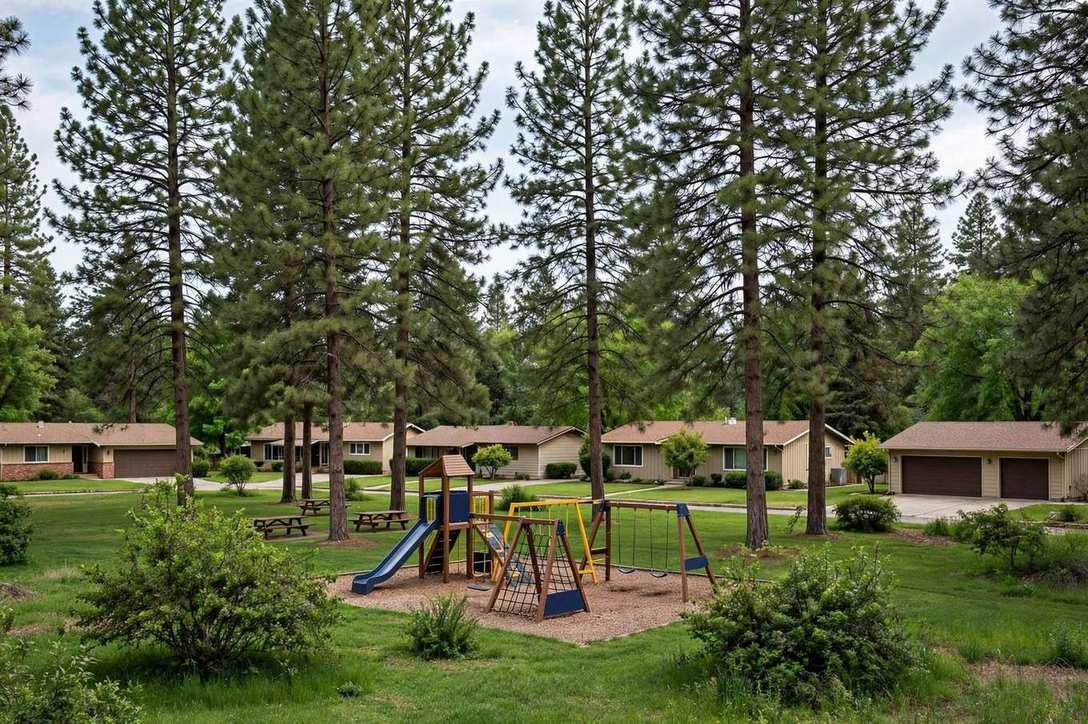
Williams Park
Explore Williams Park →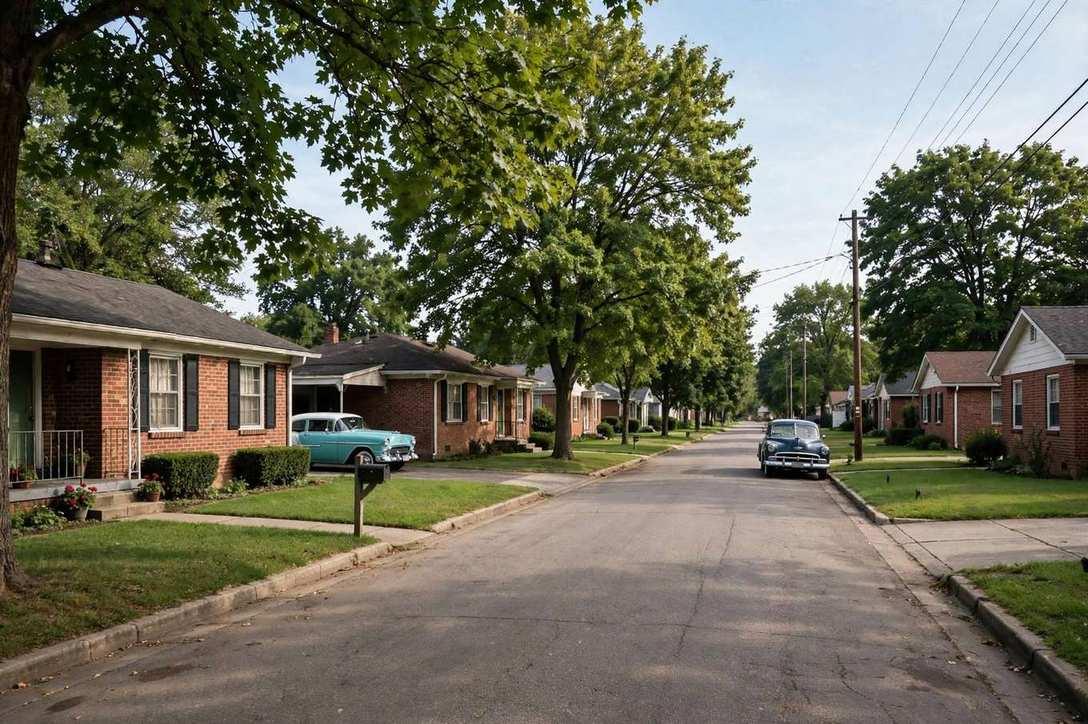
Belmont Hills
Explore Belmont Hills →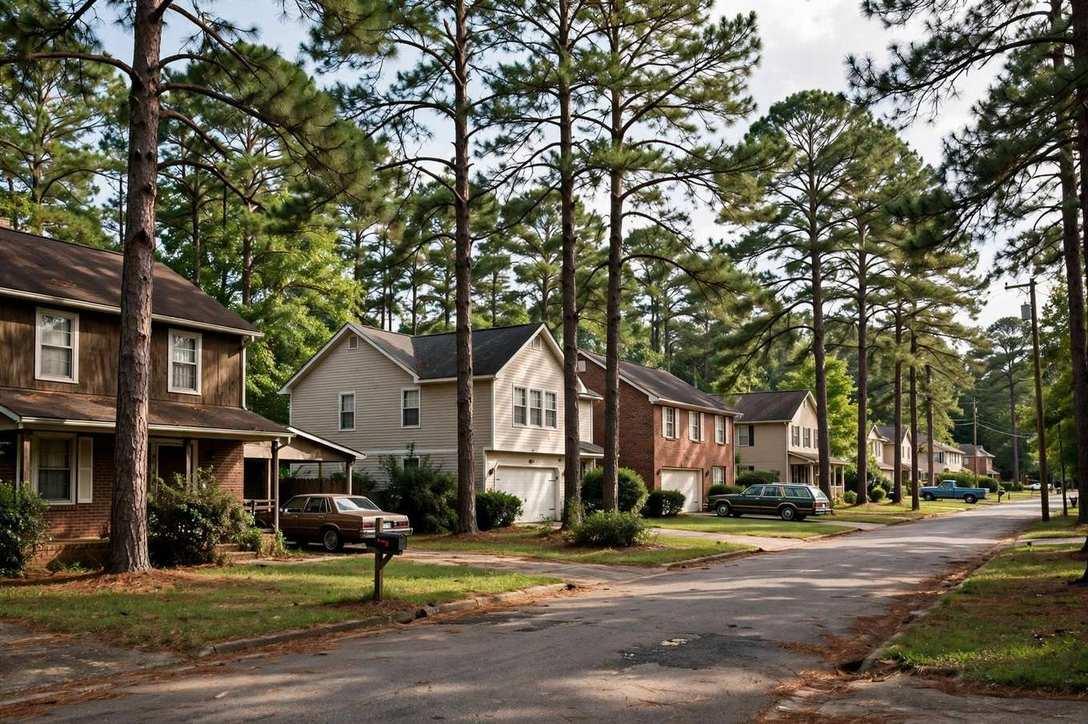
King Springs
Explore King Springs →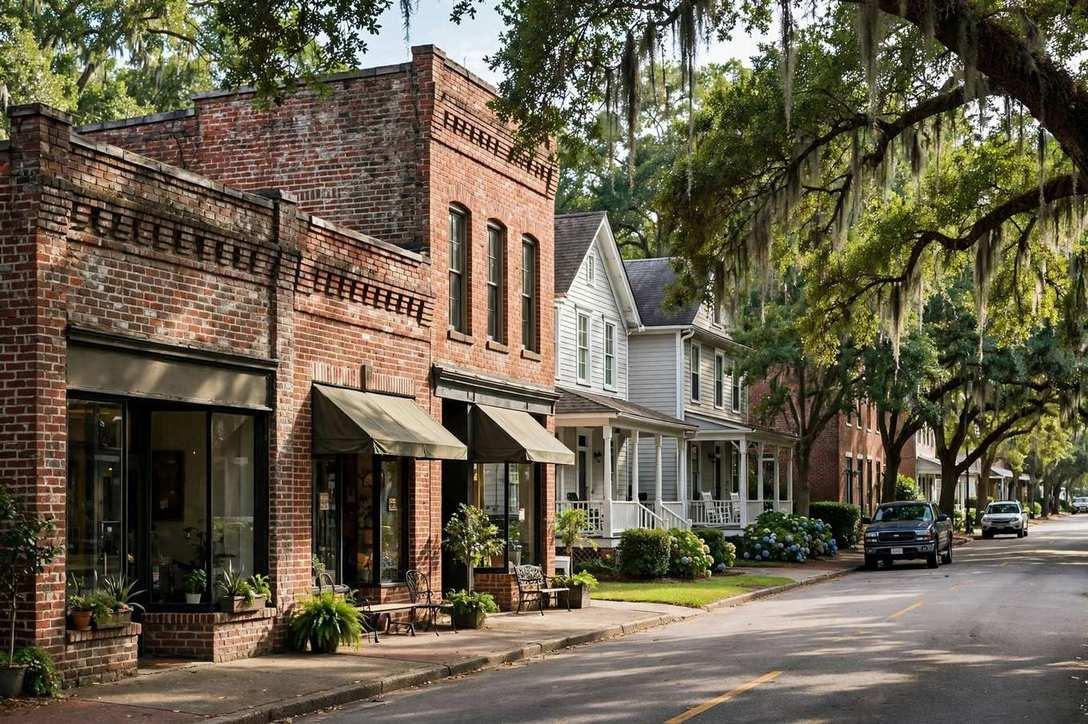
the Church Street Corridor
Explore the Church Street Corridor →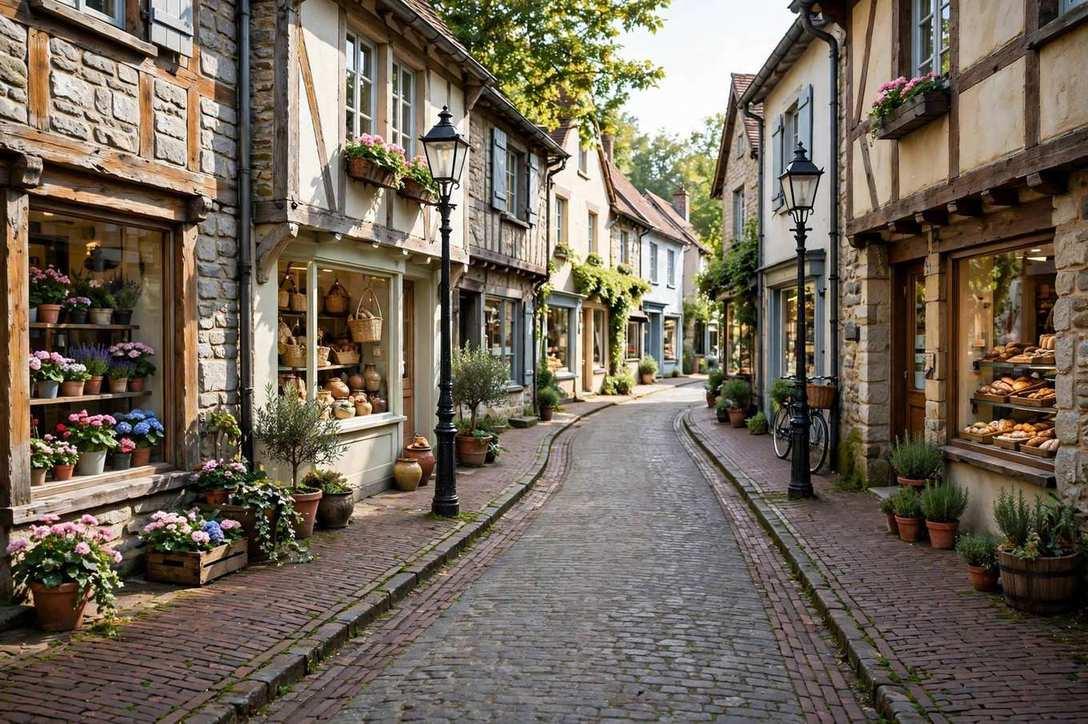
Smyrna Village
Explore Smyrna Village →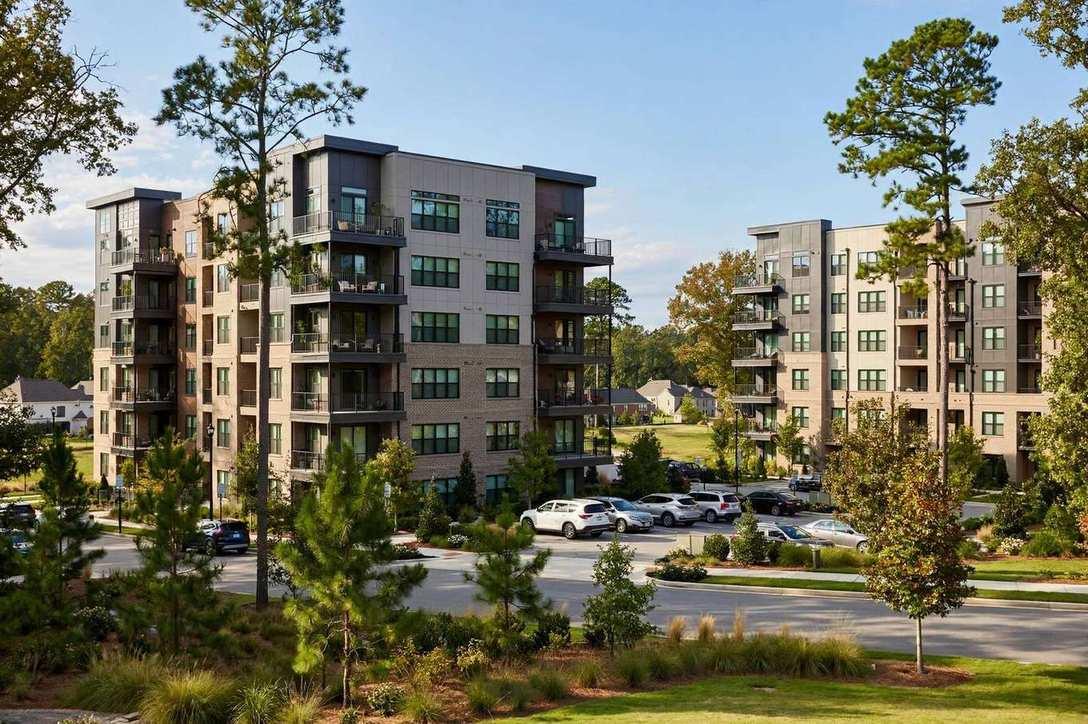
Cumberland
Explore Cumberland →Mold Inspection in Smyrna Heights, Smyrna, GA
The historic heart of Smyrna near downtown and Market Village, Smyrna Heights holds some of the city's oldest housing — small cottages and early ranch homes, many with original pier-and-beam foundations and vented crawl spaces. Aging plumbing, decades of patch repairs, and proximity to central Smyrna's drainage patterns make thorough mold inspection here especially worthwhile.
Mold Inspection in Williams Park, Smyrna, GA
Centered on one of Smyrna's best-known parks and community gathering spots, the Williams Park area mixes mid-century ranch homes with newer infill. Mature tree canopy keeps lots shaded and damp after rain — beautiful, but a contributor to the persistent ground moisture that feeds crawl space mold in this part of Smyrna, Georgia.
Mold Inspection in Belmont Hills, Smyrna, GA
Built in the 1940s to house workers at the Bell Bomber plant, Belmont Hills is classic Smyrna: brick ranch homes on clay lots, many still on their original foundations. Eighty years of plumbing, roofing, and storm history concentrate in these walls, and we find some of our most significant hidden mold discoveries in Belmont Hills homes.
Mold Inspection in King Springs, Smyrna, GA
The King Springs area along King Springs Road features established subdivisions with larger lots and mature landscaping. Irrigation systems, grading that has settled over decades, and shaded north-facing walls create localized moisture problems that a neighborhood-familiar inspector recognizes on sight.
Mold Inspection in the Church Street Corridor, Smyrna, GA
The Church Street corridor blends residential streets with commercial properties, churches, and small businesses. Mixed-use buildings here present mixed mold risks — flat commercial roofs beside residential crawl spaces — and our inspectors handle both in a single assessment when needed.
Mold Inspection in Smyrna Village, Smyrna, GA
Downtown Smyrna around Market Village and the Jonquil City core, Smyrna Village combines historic structures with dense new townhome and mixed-use development. Older commercial buildings converted to new uses often conceal legacy water damage, making pre-purchase and commercial mold inspection particularly valuable in the village.
Mold Inspection in Cumberland, Smyrna, GA
The Cumberland district — Cumberland Mall, the Cobb Galleria area, the Battery Atlanta, and the dense apartment and condo communities around the I-75/I-285 interchange — is Smyrna's high-density zone. Shared-wall construction, stacked plumbing, and property-manager maintenance histories of varying quality make independent mold inspection the smart move for Cumberland buyers and renters alike.
Outside these core neighborhoods, we provide mold inspection throughout Smyrna, GA — including Vinings-adjacent streets, the areas along Atlanta Road, South Cobb Drive, and Spring Road — and in neighboring Cobb County communities. Call (770) 542-0091 and tell us your street; if your home sits in 30080 or 30082, we know the ground it sits on.
Why Smyrna, GA Homeowners Choose Smyrna Mold Inspection

- Independent and Third-Party: We Never Sell Remediation in Smyrna, Georgia
This is the single most important thing to know about us. Smyrna Mold Inspection performs inspections and testing only. We do not remediate, we do not subcontract remediation, and we take no referral fees from remediators. When a company that sells remediation performs your "inspection," every finding is also a sales opportunity. When we perform your mold inspection in Smyrna, GA , every finding is just a finding — documented, lab-backed, and unbiased. - IICRC-Standard Methods and Vetting You Can Verify in Smyrna, GA
Georgia requires no state license for mold inspectors — which means anyone with a flashlight can print a business card. The way to vet a Georgia mold inspector is through industry certification. Our inspection methods follow IICRC (Institute of Inspection, Cleaning and Restoration Certification) standards, the recognized benchmark for the inspection and restoration industry, consistent with guidance published by NORMI (National Organization of Remediators and Mold Inspectors) and the EPA's published guidance on mold assessment in homes and schools. Ask any inspector you consider: what standard do you follow, is your lab accredited and independent, and do you sell remediation? Our answers are IICRC-standard methods, yes, and no.
- Local Smyrna, Georgia Knowledge That Changes the Inspection
A national franchise inspector from out of state does not know that Rottenwood Creek peaked at 11.74 feet in September 2009, does not know which Smyrna streets flooded again in September 2026, and does not instinctively check the north-facing crawl space vent on a Belmont Hills ranch. We do. Local knowledge directs the inspection to the right places — and in mold inspection, looking in the right place is most of the job.

- Clear Communication and Documentation for Smyrna, GA Clients
You will understand our findings without a microbiology degree. We explain what each species means, what the spore counts indicate relative to your outdoor baseline, which findings need prompt action and which merit monitoring, and what questions to ask when you collect remediation bids. And everything is in writing, with photographs — because memory fades and documentation does not.
Mold Inspection Cost in Smyrna, GA: What to Expect
Homeowners reasonably want to know what a mold inspection in Smyrna, GA costs before they book. Because every home is different — size, accessibility of attic and crawl space, number of areas of concern, and how many lab samples the situation warrants — we work in broad ranges, not fixed prices.
As a general framework for the Smyrna, Georgia market: a standard residential mold inspection with a visual assessment, moisture mapping, and a small set of lab samples typically falls in the $300–$600 range. Larger homes, difficult crawl space or attic access, multi-zone commercial properties, or investigations requiring extensive sampling across many rooms typically fall in the $600–$1,200 range. Standalone services such as mold clearance testing or single-area air quality screening are generally priced below a full inspection, in broad terms often in the $200–$450 range depending on sample count.
These are broad ranges only — not a quote. Your home's specifics determine the actual figure, and you will receive a written estimate before work begins, with the sample count and scope spelled out, so there are no surprises. What we can promise is that the price will reflect the inspection described on this page — full attic, crawl space, and basement entry; moisture mapping with professional instruments; accredited third-party lab analysis — not a fifteen-minute walkthrough with a clipboard. For a detailed breakdown of what drives cost, see our mold inspection cost in Smyrna, GA page. To get your written estimate, call (770) 542-0091.
| Service scope | Broad range |
|---|---|
| Standard residential inspection — visual assessment, moisture mapping, small sample set with lab analysis | $300–$600 |
| Larger homes, difficult attic/crawl space access, extensive multi-room sampling, or commercial properties | $600–$1,200 |
| Focused standalone services — clearance testing or single-area air quality screening | $200–$450 |

Mold Inspection Smyrna GA: Frequently Asked Questions
A typical single-family home in Smyrna, Georgia takes two to three hours, depending on size and on how accessible the attic, crawl space, and basement are. Larger homes and commercial properties take longer. Laboratory analysis adds a few business days after the site visit — rush lab service is available when a real estate contingency or insurance deadline requires it. Call (770) 542-0091 and we will give you a realistic timeline for your property.
Yes — some of the most significant mold problems we find in Smyrna, Georgia homes are completely hidden: inside wall cavities, under subflooring in crawl spaces, on the back of drywall behind baseboards, and inside HVAC systems. Musty odors, unexplained allergy symptoms, a history of leaks or flooding, or the purchase of an older ranch home are all good reasons to inspect even when nothing is visible. Our moisture mapping finds hidden problems before they become visible ones.
Very. The combination of ~70 percent average humidity, 50 inches of annual rain, poorly draining red clay, vented crawl spaces, and aging mid-century housing stock makes Smyrna one of the more mold-prone cities in metro Atlanta. Add recurring flood events — from the September 2009 flood through the September 2026 flash floods — and a large share of Smyrna homes have at least one area of past or active moisture intrusion. That is exactly why an independent mold inspection in Smyrna, GA is a routine part of responsible homeownership here.
No. Georgia has no state licensing requirement for mold inspectors or mold remediators, which means the burden of vetting falls on you. Look for inspectors who follow IICRC standards, use an accredited independent laboratory, carry proper insurance, and — critically — do not sell remediation services. Smyrna Mold Inspection meets all four criteria, and we encourage you to verify the same of anyone else you consider.
In most cases, yes. Our reports document conditions with dated photographs, calibrated moisture readings, and accredited third-party lab results — the kind of evidence landlords, property managers, and insurance adjusters take seriously. For renters in Cumberland apartments or anywhere in Smyrna dealing with an unresponsive landlord, an independent inspection report is often the document that moves the situation forward. (We are inspectors, not attorneys, and we do not offer legal advice — but we provide the evidence lawyers work with.)
Call (770) 542-0091. You will speak with a local inspector who will ask about your home, your concerns, and your timeline, then provide a written estimate before work begins. You can also reach us at info@moldinspectionsmyrnaga.com. Our office address is 2001 Lake Park Dr SE, Smyrna, GA 30080. We serve all of Smyrna, Georgia — ZIP codes 30080 and 30082 — and surrounding Cobb County communities.