
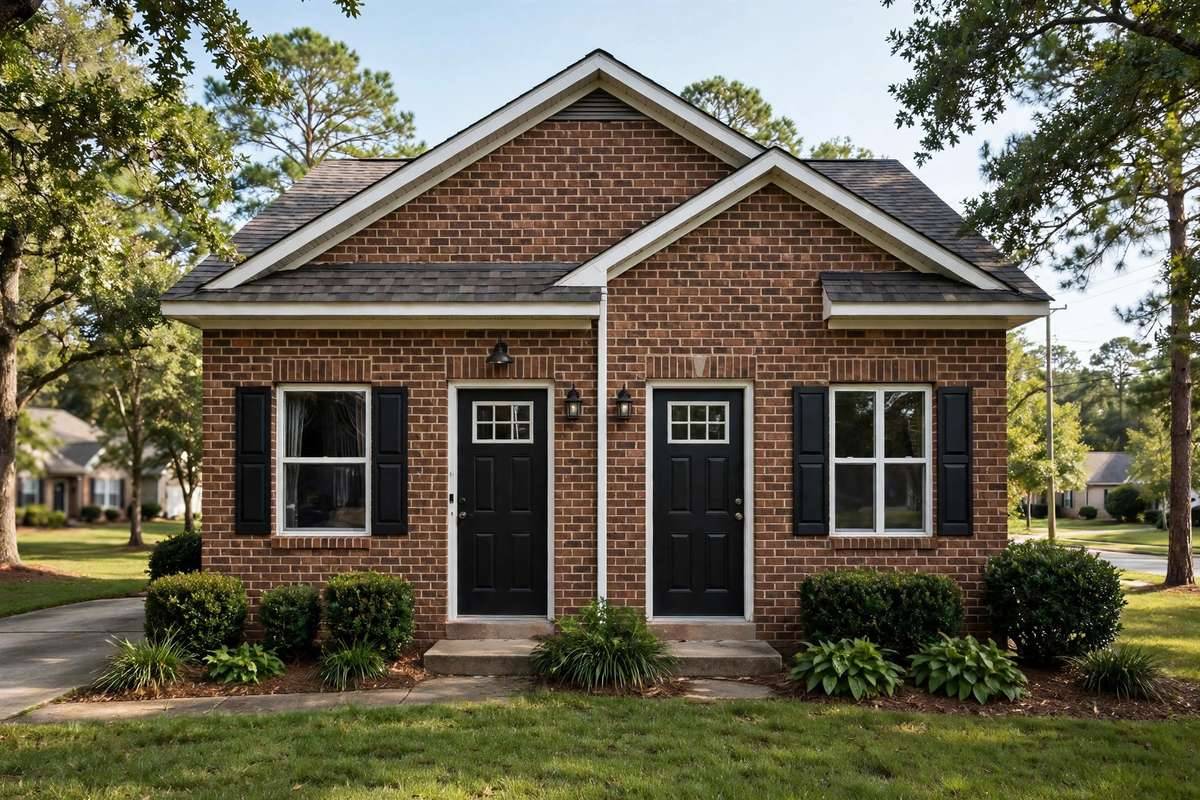
Mold in a Georgia rental property creates one of the most common — and most misunderstood — disputes between landlords and tenants. Here's the surprise most people encounter: Georgia has no specific mold statute for rentals. Unlike some states with detailed mold disclosure and remediation laws, Georgia handles mold in rental property through the general implied warranty of habitability, lease terms, and ordinary negligence principles. That makes documentation — and an independent inspection when the parties disagree — the deciding factor in most disputes. This guide explains the framework for both sides. This is general information, not legal advice; consult a Georgia attorney for advice about your specific situation.
Smyrna Mold Inspection works with landlords, tenants, and property managers across Smyrna, GA and Cobb County — from single-family ranch rentals in 30080 to large apartment communities along the Cumberland corridor. When mold becomes a disagreement, an independent third-party inspection gives both sides facts instead of arguments. Call (770) 542-0091.
Georgia's Legal Framework: No Mold Statute, but Real Obligations
The Implied Warranty of Habitability
Every residential lease in Georgia carries an implied warranty of habitability — the landlord's obligation to keep the property fit for living. Courts have applied this to conditions including water intrusion, plumbing failures, and roof leaks that create the moisture mold needs to grow. The practical upshot: a landlord who ignores a reported roof leak over a Cumberland-area apartment, and mold colonizes the ceiling below, has a habitability problem — not just a maintenance backlog. The warranty doesn't make landlords insurers against all mold (tenant-caused moisture is a different story, below), but it does mean reported water problems must be addressed within a reasonable time.
The Landlord's Duty: Water Intrusion and Structural Issues
In Georgia, the landlord generally owns everything the tenant can't fix: the roof, the plumbing inside walls, the foundation, grading and drainage, the HVAC system, and appliances the landlord provided. When mold in a rental property traces to any of these — a leaking supply line inside a wall in a 1960s Smyrna ranch, groundwater seeping through a basement wall on a sloped lot near Sope Creek, a failed wax ring under a landlord-owned toilet, condensation from a neglected HVAC drain pan — repair is the landlord's responsibility. Smyrna's housing stock makes this common: older brick ranches with original galvanized plumbing, vented crawl spaces over moisture-holding red Georgia clay, and flat-roofed additions are all landlord-side water sources waiting for a rainy season.
The Tenant's Duty: Report Promptly, Ventilate, Don't Create the Problem
Tenants have duties too, and Georgia landlords win disputes on this ground regularly. Tenants must report water problems promptly and in writing — the tenant who watches a ceiling stain spread for six months before mentioning it has weakened their position considerably. Tenants must also avoid creating mold conditions: running bath exhaust fans, using range hoods, not blocking HVAC returns with furniture, reporting a running toilet or dripping faucet, and keeping the thermostat at reasonable settings (in Georgia's humid subtropical climate, setting the AC to 85°F while away for two weeks in August is an invitation to mold — landlords often address this in the lease). When mold in a Georgia rental comes from tenant lifestyle moisture with no structural defect, remediation responsibility typically falls on the tenant.
Documentation Best Practices — for Landlords
If you own rental property in the Smyrna/Cobb County market, treat every moisture report like a future exhibit:
- Respond in writing and quickly. Acknowledge the report, state your action plan, and keep copies. "Reasonable time" is judged after the fact — a paper trail showing 48-hour response beats memory every time.
- Photograph everything before and after. Date-stamped photos of the reported condition, the repair, and the finished remediation. Photograph the moisture source, not just the mold.
- Fix the water first, the mold second. Remediation without source repair is money burned — and a tenant's second complaint six months later looks like landlord neglect, because it is.
- Consider periodic inspections between tenants. Turnover is your cheapest inspection window. A quick professional look at the crawl space, bathrooms, and HVAC of a Smyrna ranch between tenants catches the slow leak before it becomes the next tenant's dispute — and a mold clearance test after any remediation documents the unit as clean for the incoming tenant's file.
- Put moisture duties in the lease. Bath fan use, prompt leak reporting, AC minimum settings during summer vacancy, and renter's insurance requirements are all enforceable lease terms that prevent most disputes before they start.

Documentation Best Practices — for Tenants
If you're renting in Smyrna or anywhere in Georgia and you find mold:
- Report in writing, immediately. Email or text creates a timestamp; a phone call doesn't. Describe what you see and smell, where, and when you first noticed it. Keep copies of everything.
- Photograph with dates. Wide shots for location context, close-ups of the growth, and photos of any visible water source (stain, drip, condensation). Photograph again weekly if nothing happens — a timeline of landlord inaction is powerful.
- Don't remediate structural mold yourself. Wiping surface mildew off a shower surround is housekeeping. Cutting into a wall to treat mold inside it is not your job, may violate your lease, and can destroy evidence of the landlord's water problem.
- Keep living normally but mitigate reasonably. Run the bath fan, report promptly, don't store belongings against a visibly damp wall. You have a duty to avoid making it worse.
- Know when to get your own inspection. If the landlord dismisses your report, blames you without investigating, or "remediates" by painting over growth without fixing the leak, an independent mold testing inspection gives you lab-backed documentation of species, concentration, and moisture source. That report changes the conversation — with the landlord, and if needed, with an attorney.
When an Independent Inspection Protects Each Party
It protects landlords when a tenant's claim doesn't match the building's condition: the inspection may show the "mold" is dust on a vent, or that growth is confined to tenant-caused bathroom moisture with a functioning exhaust fan the tenant never used. A clean, documented inspection report is a landlord's best defense against an exaggerated claim — and against the tenant who withholds rent over a non-issue.
It protects tenants when the landlord won't investigate: lab results showing elevated Stachybotrys or Chaetomium with an active plumbing leak inside the wall are facts a landlord can't hand-wave. The moisture-source finding matters most — it establishes whose system failed.
It protects property managers in the Cumberland corridor's large complexes, where a single complaint can echo across dozens of units. A professional inspection scopes the problem precisely — one unit's shower-pan failure versus a building-wide envelope issue — so management spends remediation dollars once, correctly, with documentation for ownership and insurers. Pair any remediation with mold clearance testing to close the file with proof the unit is clean.
The Security-Deposit Angle
Mold disputes frequently detonate at move-out. Georgia law requires landlords to return the security deposit (or an itemized list of deductions) within 30 days of the tenant vacating. Common collision points: the landlord deducts for "mold remediation" the tenant says was a pre-existing leak; the tenant claims mold damaged belongings the landlord says were stored improperly. Both sides' documentation from move-in and move-out decides these — which is why dated photos at both ends, plus any inspection reports, are worth more than any argument. Tenants: photograph the unit thoroughly on move-in day, including inside cabinets, around toilets, and the HVAC closet. Landlords: a pre-tenancy inspection report in the file makes deposit deductions for mold damage defensible instead of debatable.
The Property-Manager Perspective: Cumberland-Area Rentals
Managing dozens or hundreds of units around Cumberland, Vinings, and the Atlanta Road corridor means mold complaints arrive weekly in summer. The managers who handle this well run a system, not a scramble: a written moisture-complaint intake process, 48-hour response standard, a vetted independent inspector on call (not the remediation vendor — separation of diagnosis and cure keeps everyone's incentives clean), and clearance testing after every remediation before re-leasing. They also know Smyrna's specific risk map: ground-floor units near Rottenwood and Nickajack creeks with slab-edge moisture, 1970s garden-style buildings with aging galvanized plumbing, and units where prior tenants ran the AC at tropical settings through August. A standing relationship with an inspection company turns each complaint from a crisis into a routine — call (770) 542-0091 to set one up.
Frequently Asked Questions: Mold in Rental Property in Georgia
No Georgia statute specifically requires landlords to test for mold. The landlord's obligation runs through the implied warranty of habitability: they must address water intrusion and structural defects that cause mold. If you've reported a leak or visible growth in writing and the landlord won't investigate, an independent inspection (which you can commission yourself) documents the condition with lab results — useful whether you negotiate, involve an attorney, or need evidence later. This is general information, not legal advice; consult a Georgia attorney about your situation.
Georgia law does not give tenants a general right to withhold rent, and doing so unilaterally can expose you to eviction proceedings even when your underlying complaint is valid. The safer path is written notice, documentation, reasonable time for repair, and legal counsel if the landlord doesn't act. Talk to a Georgia attorney before withholding rent for any reason.
It depends on the moisture source. Landlord-side sources (roof leaks, plumbing inside walls, foundation seepage, HVAC failures, landlord-owned appliances) are generally the landlord's responsibility under the warranty of habitability. Tenant-caused moisture (never running exhaust fans, unreported leaks the tenant watched spread, extreme thermostat settings) generally falls on the tenant. An independent inspection identifying the moisture source usually settles the question — which is why both sides benefit from one.
Painting over active mold without fixing the moisture source is cosmetic, not remediation — the growth continues underneath and the problem returns. Document it with dated photos, put your objection in writing referencing the unaddressed water source, and consider an independent inspection to establish what's behind the paint. Keep every communication; if you later need legal help, that paper trail is your case.
Respond to moisture reports fast and in writing, fix water sources before remediating growth, photograph everything, use an independent inspector (separate from your remediator), get clearance testing after remediation, document unit condition at move-in and move-out, and put tenant moisture duties in the lease. In Smyrna's humid climate and older housing stock, a between-tenancy crawl space and bathroom check is cheap insurance against the next dispute.
Sometimes, partially. Renter's insurance typically covers personal property damaged by a covered peril (like a burst pipe) but excludes mold from long-term leaks, humidity, or maintenance issues — and mold coverage often carries a sublimit. Review your policy's mold provisions before you need them, and document your belongings' condition regardless.
Smyrna Mold Inspection serves landlords, tenants, and property managers throughout Smyrna, GA 30080 and 30082 and greater Cobb County. Call (770) 542-0091 or email info@moldinspectionsmyrnaga.com. 2001 Lake Park Dr SE, Smyrna, GA 30080
Disclaimer: This guide provides general information about mold in Georgia rental properties and is not legal advice. Landlord-tenant law is fact-specific; consult a licensed Georgia attorney for advice about your situation.