
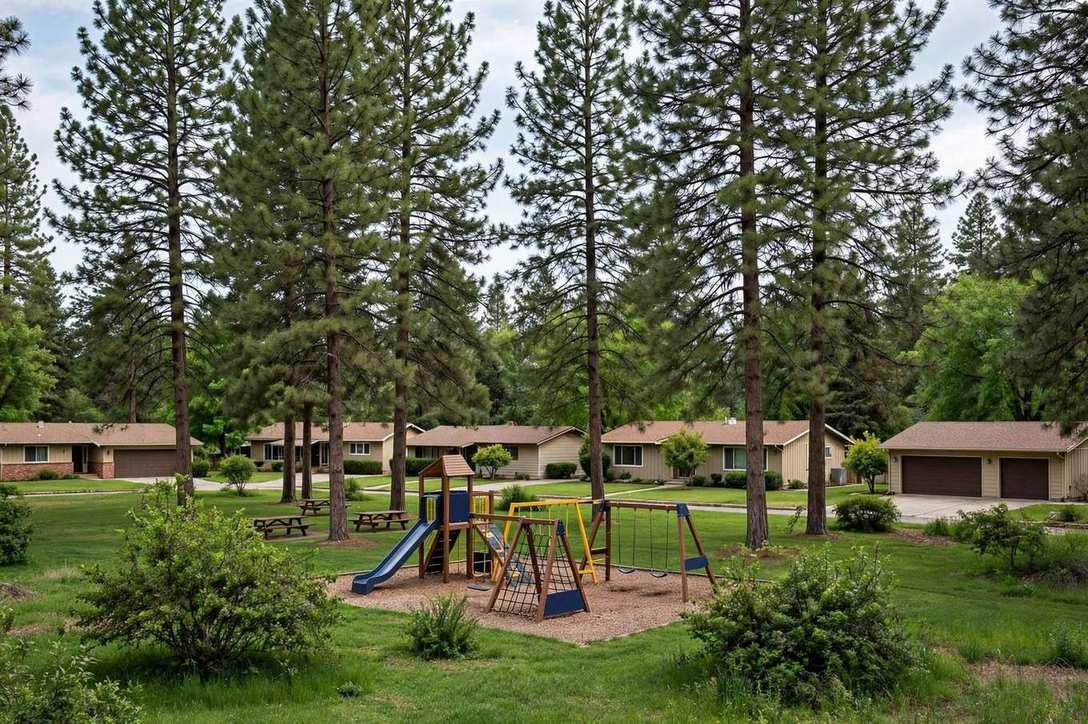
Williams Park sits in one of the most desirable pockets of Smyrna — 1940s and 1950s ranch streets a short walk from Market Village, the Village Green, and downtown's restaurant row. The location is the selling point. What's underneath these homes is the part buyers and longtime owners need to think about: original clay and cast-iron sewer laterals now reaching the end of their service life, vented crawl spaces over moisture-holding red clay, and seven decades of deferred plumbing maintenance hiding inside walls.
When a Williams Park listing brags about a "new sewer line to street," read it as a neighborhood bulletin: the originals are failing. Failed laterals don't just back up drains — they saturate the soil under and around the foundation with every flush, creating a permanent moisture source that feeds mold in crawl spaces, slab edges, and lower wall cavities. Our mold inspection in Williams Park, Smyrna GA is designed around exactly these failure patterns. Call (770) 542-0091 and get an inspector who knows what this neighborhood hides.
Williams Park's Housing Stock: 1940s–50s Ranches Near Downtown
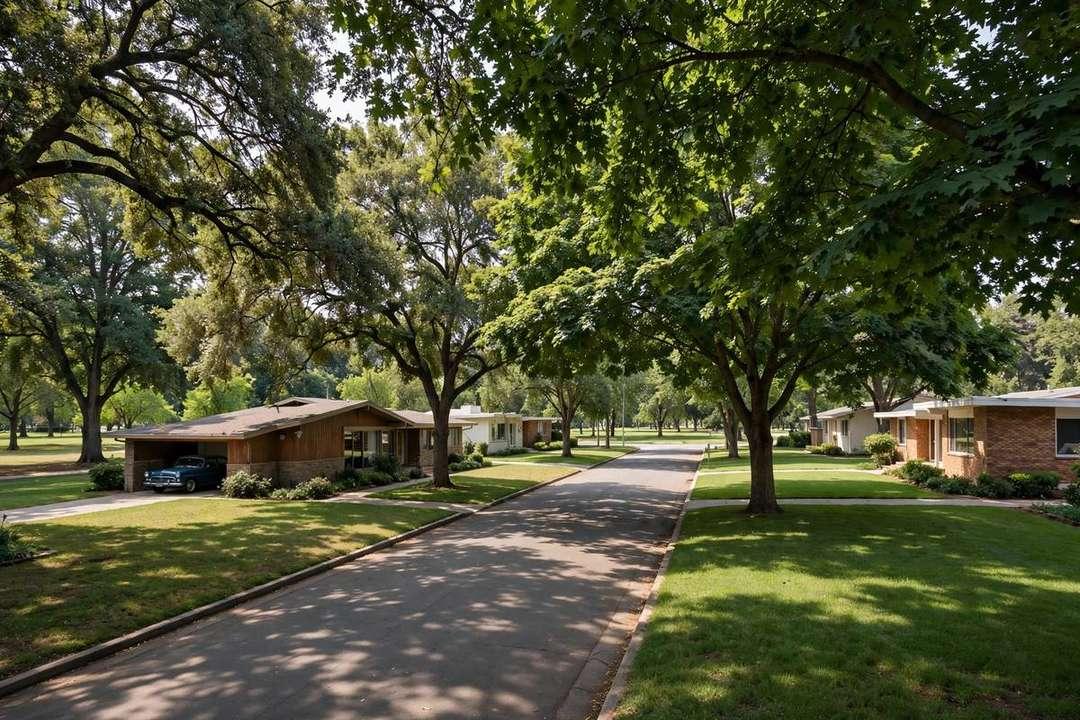
The Williams Park neighborhood filled in during Smyrna's first post-war expansion, with modest brick and frame ranches on generous lots. Compared with the slightly newer Smyrna Heights stock, Williams Park homes skew a few years older — and those extra years matter:
- Clay and cast-iron sewer laterals — original to the house, now 70-plus years old. Clay pipe joints separate; cast iron scales and cracks. Both leak wastewater into the surrounding soil long before they fully collapse.
- Vented crawl spaces and slab edges — the neighborhood has a mix; either way, the foundation meets red Georgia clay that holds water against it instead of draining.
- Original-era bathrooms and kitchens — many homes still have their original wet-wall plumbing: galvanized supplies, cast-iron drains, and tile or early fiberglass surrounds whose waterproofing expired decades ago.
- Mature tree canopy — beautiful, and a real mold factor. Deep shade keeps siding, roofs, and soil damp long after rain, while root systems invade those aging clay laterals and accelerate their failure.
The Sewer Lateral Problem (and Why It's a Mold Problem)
Most homeowners don't connect sewer laterals to mold. Here's the connection: a leaking lateral saturates the soil beneath the home with moisture and organic matter — continuously, every day, for years. In a vented crawl space, that moisture evaporates upward into the under-house air, raising relative humidity and condensing on cool ductwork and joists. Along a slab edge, it wicks up through the concrete and into sill plates and lower drywall. The species that colonize these chronically damp zones — Aspergillus, Penicillium, and in the worst cases Stachybotrys chartarum — don't need a flood. They need exactly what a failing lateral provides: constant, quiet moisture.
During our Williams Park inspections, we check for the telltales: musty odors concentrated near bathrooms and kitchens, efflorescence or damp staining on foundation walls, chronically damp crawl space soil near the lateral's path, and unexplained humidity that doesn't respond to normal ventilation. If the pattern points to the lateral, we'll say so plainly and recommend a licensed plumber's camera inspection as the next step — because remediating mold without fixing the moisture source is money thrown away.
Crawl Spaces and Attics in Williams Park
Like neighboring Smyrna Heights, Williams Park's vented crawl spaces are mold reservoirs by default — no original vapor barrier, humid air cycling through vents all summer, condensation on ductwork. Our crawl space mold inspection in Smyrna, GA covers full under-house entry, joist-by-joist moisture mapping, and surface sampling of visible growth.
Attics tell the age story too. Original-era roof decking, decades of patch repairs, and flashing details from a pre-modern-waterproofing era mean slow leaks are the norm, not the exception. Our attic mold inspection uses infrared imaging to find the leaks that haven't stained a ceiling yet.
Buying Near Market Village? Add a Mold Inspection
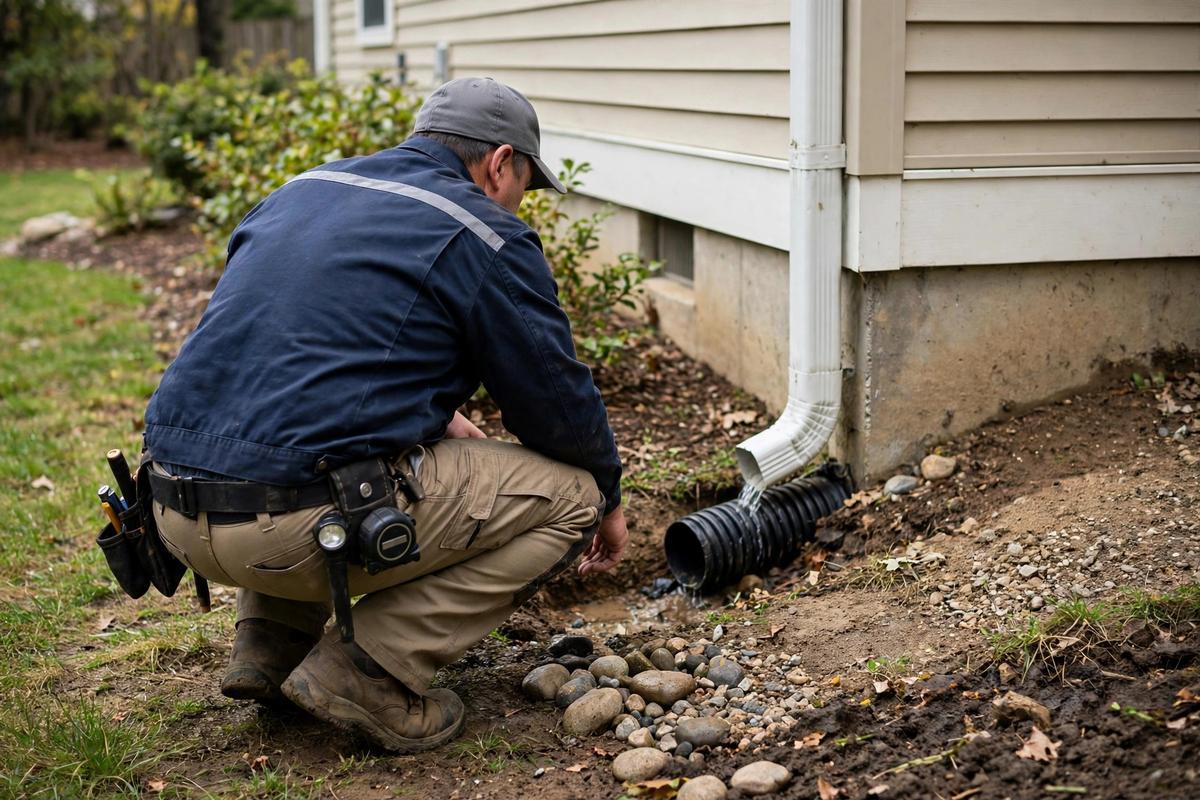
Williams Park's walkability premium means buyers routinely waive contingencies to win bidding situations — and the first contingency to go is usually the mold-specific one, because "the general inspection looked fine." A standard Georgia home inspection explicitly excludes mold assessment. In a neighborhood where 70-year-old sewer laterals and original plumbing are the baseline, skipping a pre-purchase mold inspection is a gamble with five-figure downside. We've documented active wall-cavity colonies in Williams Park homes that passed general inspection without a single mold-related note.
Sellers, the same logic applies in reverse: a pre-listing mold inspection lets you address issues on your timeline instead of losing a buyer when their inspector finds them.
Indoor Air Quality in Older Williams Park Homes
Many Williams Park residents first call us about symptoms, not visible mold: persistent musty odor, allergy flare-ups that ease when they leave the house, a bedroom that always smells damp. In 1940s–50s homes, the usual suspects are crawl space air infiltrating through unsealed penetrations and aging ductwork pulling spore-laden air from wall cavities and attics. Our indoor air quality testing compares indoor spore counts and species against an outdoor baseline — the only objective way to know whether the air in your home is carrying a mold load it shouldn't be.
What Our Williams Park Inspection Includes
- Full interior visual assessment with infrared thermography
- Crawl space or slab-edge moisture evaluation
- Sewer-lateral moisture pattern analysis (with plumber referral when indicated)
- Attic and roof-deck moisture readings
- HVAC and ductwork evaluation
- Air and surface samples to an independent accredited lab
- Written report with species identification, spore counts vs. outdoor baseline, moisture sources, and remediation scope guidance
As broad ranges only — not a quote — most Williams Park single-family inspections fall in the $300–$600 range, with lab-analyzed sampling from around $475 and up. You'll receive a written estimate before work begins, confirmed in writing before we start. Full details on our mold inspection cost page.
Smyrna Mold Inspection 2001 Lake Park Dr SE, Smyrna, GA 30080 (770) 542-0091 info@moldinspectionsmyrnaga.com
Frequently Asked Questions
Warning signs include slow drains throughout the house, gurgling toilets, unusually lush patches of grass along the lateral's path, persistent musty or sewage-adjacent odors near bathrooms, and foundation-area dampness with no plumbing leak inside. A plumber's camera inspection confirms it; our mold inspection documents the moisture and mold consequences.
Yes — it's one of the most underdiagnosed moisture sources in older Smyrna neighborhoods. The leak saturates soil continuously, and that moisture migrates into crawl spaces, slab edges, and lower wall cavities, where Aspergillus and Penicillium colonize readily. We see this pattern regularly in Williams Park.
Georgia home inspectors disclaim mold assessment — it's outside their standards of practice. Musty odors, allergy symptoms, or just the age of your systems are all valid reasons for a dedicated inspection a generalist was never going to perform.
We inspect for the moisture and mold effects of lateral failure and document the pattern. The lateral itself needs a licensed plumber with a camera — we're happy to coordinate timing so both inspections happen efficiently.
Stachybotrys chartarum shows up where prolonged saturation exists — chronically wet crawl space soil, long-term wall-cavity leaks from aging plumbing. Our black mold inspection protocol targets exactly these conditions. Call (770) 542-0091 if black or dark greenish growth is visible anywhere in the home.
Typically within 24–48 hours in the Williams Park area. Under contract with a deadline? Tell us when you call — pre-purchase inspections with running contingency clocks get priority scheduling.