
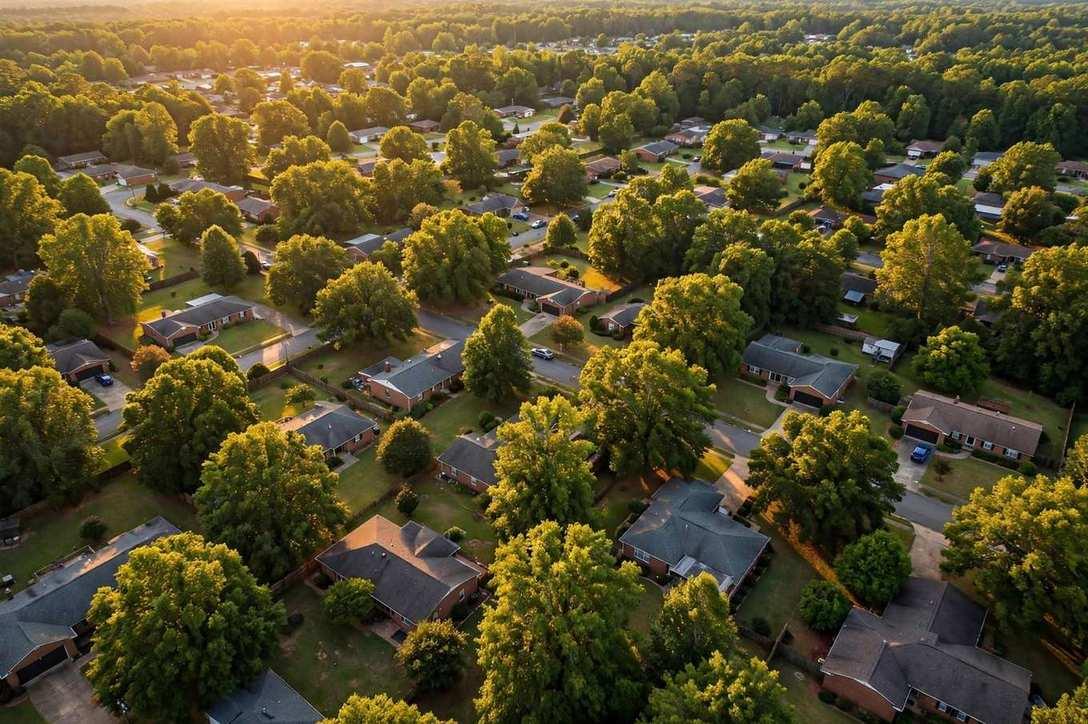
Smyrna, Georgia looks uniform on a map — one city, two ZIP codes, about 57,000 people. But ask any home inspector who has crawled under these houses and they'll tell you the mold story changes block by block. A 1954 brick ranch in Smyrna Heights fails in completely different places than a 2025 infill townhome on Church Street or a third-floor condo in Cumberland. That's why our mold inspection service areas in Smyrna, GA are organized the way they are: neighborhood by neighborhood, because the housing stock, the soil, and the water history are different in each one.
Smyrna Mold Inspection serves every corner of the city — from the post-war ranch streets near downtown to the apartment corridors along Cumberland Boulevard. If your home or building sits in the 30080 or 30082 ZIP codes, you're in our service area. Call (770) 542-0091 and we'll schedule an inspection built around what your specific neighborhood is known for.
Why Neighborhood-Level Mold Inspection Matters in Smyrna, GA
Most mold inspection companies treat every house the same: walk through, wave a moisture meter, take an air sample, send a lab report. That generic approach misses the patterns that actually drive mold growth in Cobb County. Smyrna's humid subtropical climate — roughly 70 percent average humidity with no real dry season — gives mold a year-round foothold. But where it takes hold depends on local factors:
- Flood history. The September 2009 flood pushed the Chattahoochee River to 500-year levels and sent Rottenwood Creek to a record 11.74 feet. Homes anywhere near the creek corridors absorbed water that was never fully remediated, and mold colonies from that event are still being found behind walls today. Tropical remnants — Sally in 2020, Helene in 2024, flash flooding as recently as September 2026 — keep re-wetting the same low-lying streets.
- Red Georgia clay. Smyrna sits on dense clay soil that traps moisture against foundations instead of draining it away. Vented crawl spaces — the default under Smyrna's mid-century ranches — become humid chambers where Cladosporium and Aspergillus thrive on floor joists and subflooring.
- Housing eras. A 1940s ranch with original cast-iron sewer laterals, a 1962 split with a finished daylight basement, and a new-construction townhome each have a completely different mold risk profile. Our inspectors adjust the protocol for the era of the home.
Georgia requires no state license for mold assessors, so the quality gap between inspection providers is wide. We hold every inspection to IICRC S520 principles — the industry's Standard for Professional Mold Remediation applied on the assessment side — with independent third-party lab analysis for every sample we collect.
Our Smyrna, GA Mold Inspection Neighborhoods
Smyrna Heights
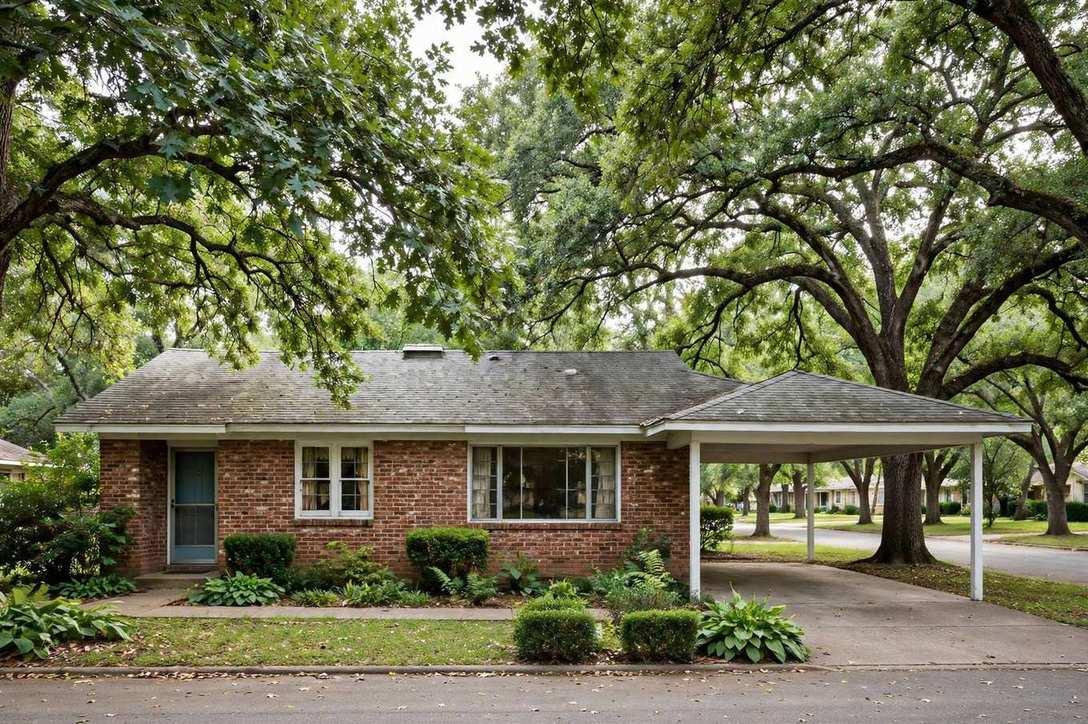
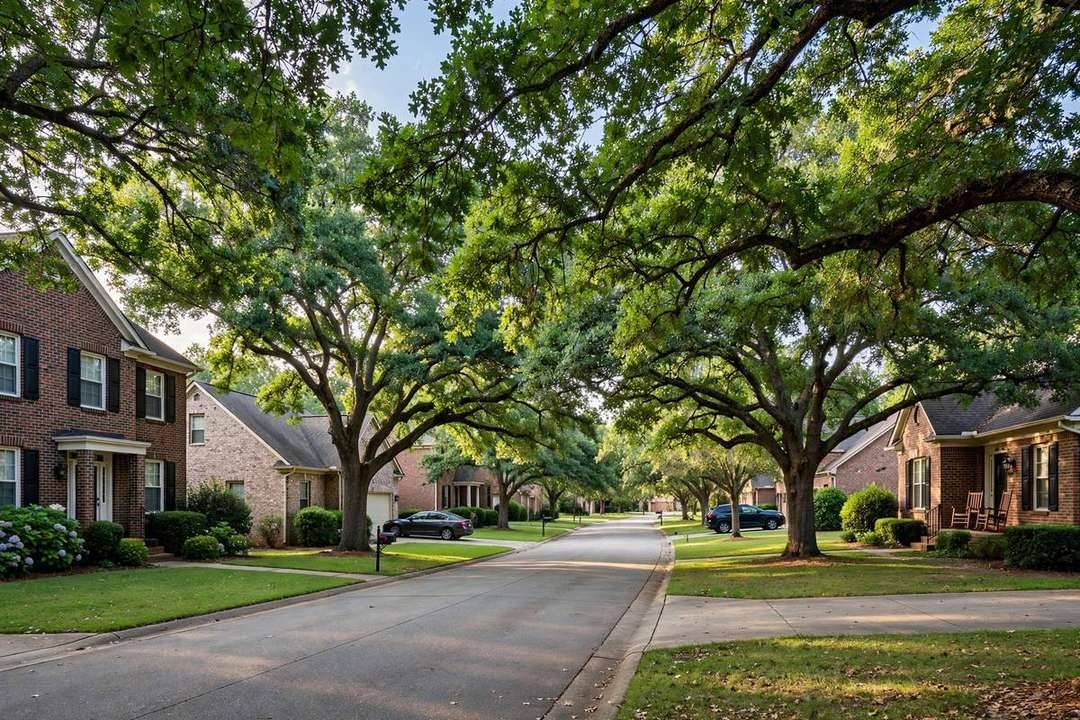
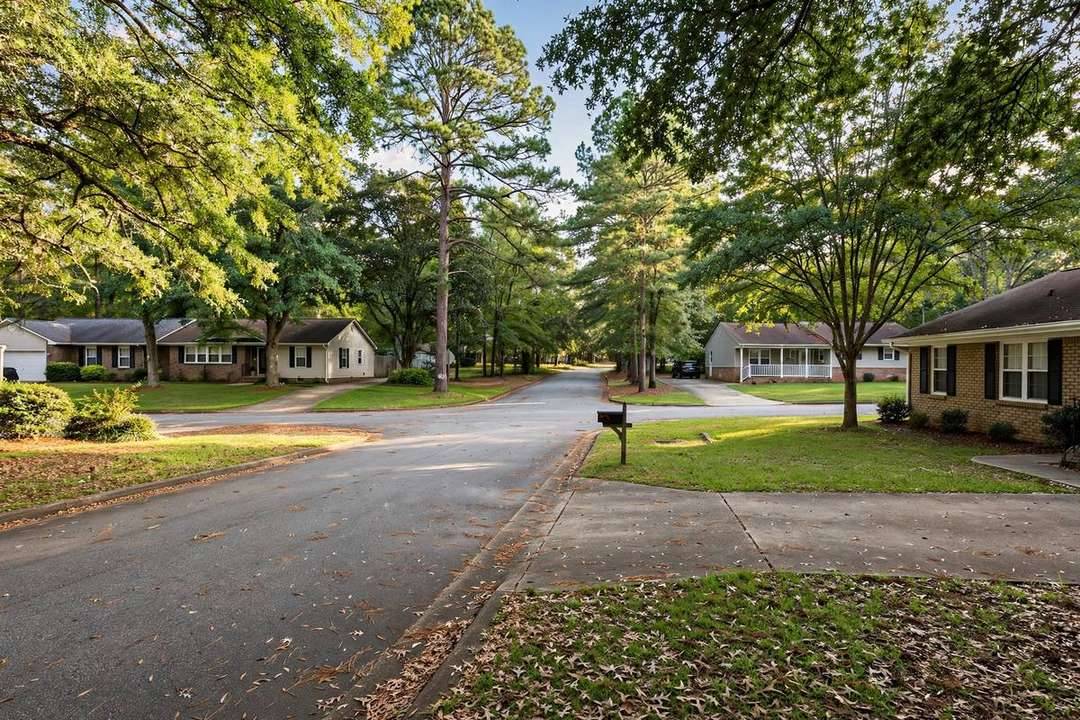
The brick ranch capital of central Smyrna — 1953 to 1959 builds with aging roofs, original galvanized plumbing, and vented crawl spaces over red clay. Our mold inspection in Smyrna Heights, GA focuses on crawl space humidity, attic roof-deck staining, and plumbing-leak mold inside walls.
Williams Park
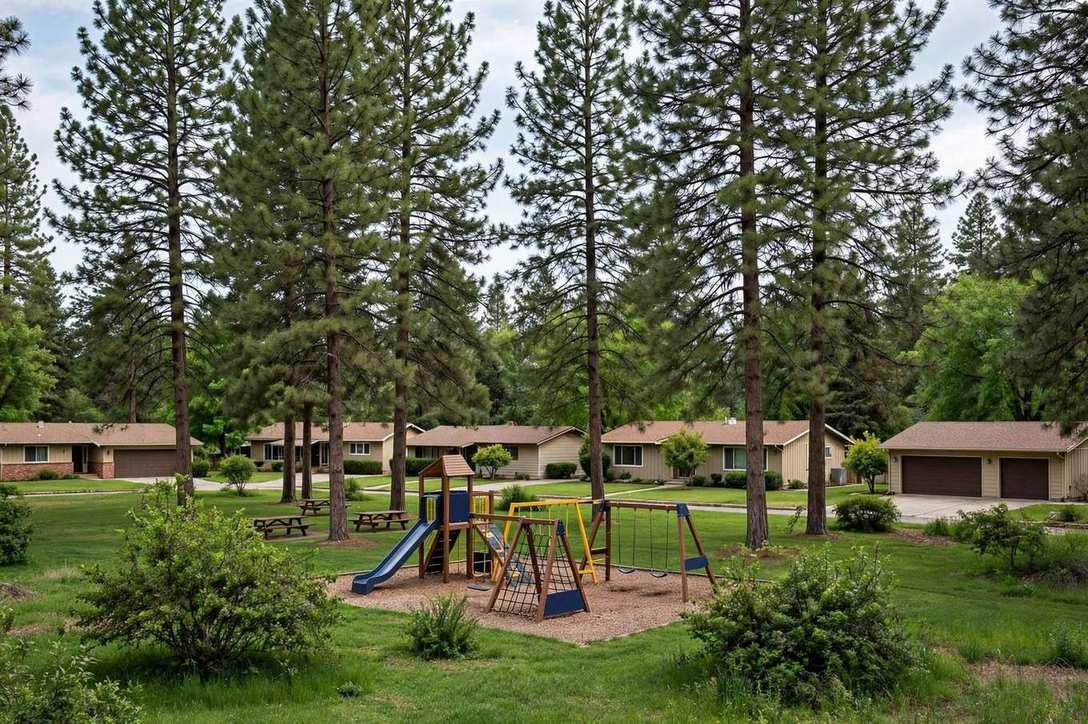
Walkable 1940s–50s ranch streets near Market Village and downtown, where original clay and cast-iron sewer laterals are failing — listings bragging about a "new sewer line to street" tell you the originals are done. Our mold inspection in Williams Park, Smyrna GA targets slab-edge moisture, lateral-leak mold, and aging-duct contamination.
Belmont Hills
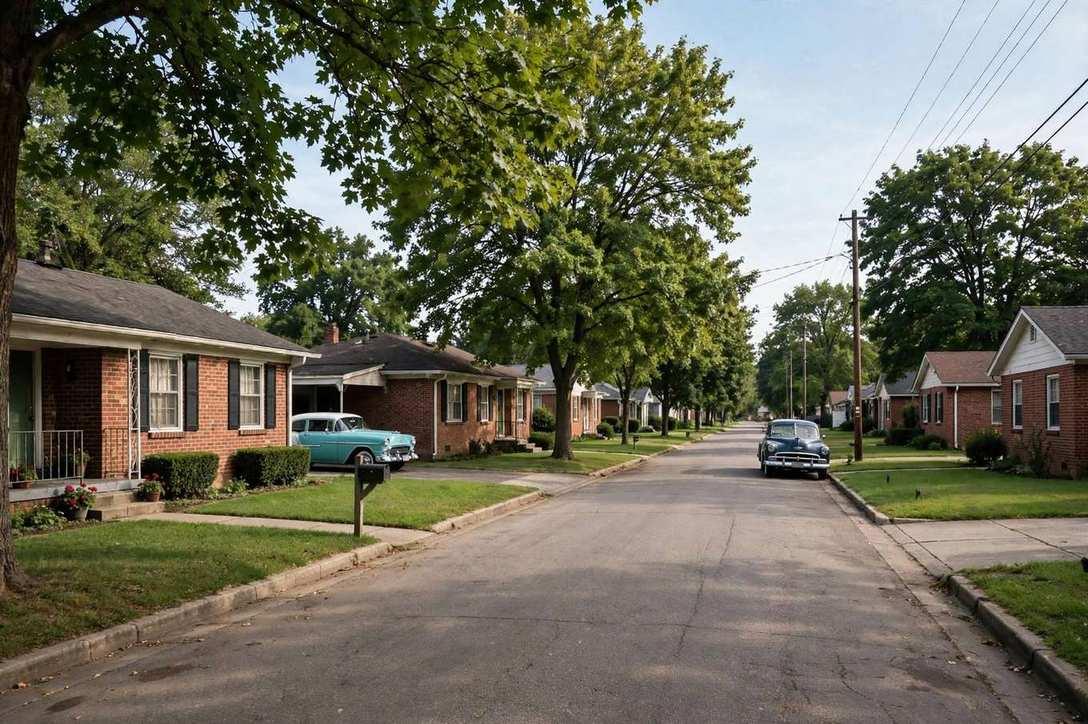
A tale of two housing stocks: the new Belmont mixed-use redevelopment with David Weekley townhomes and luxury apartments, surrounded by aging post-war brick-veneer ranches near Windy Hill Road and Atlanta Road. Our mold inspection in Belmont Hills, Smyrna GA covers both new-construction moisture trapping and 60-year-old original systems.
King Springs
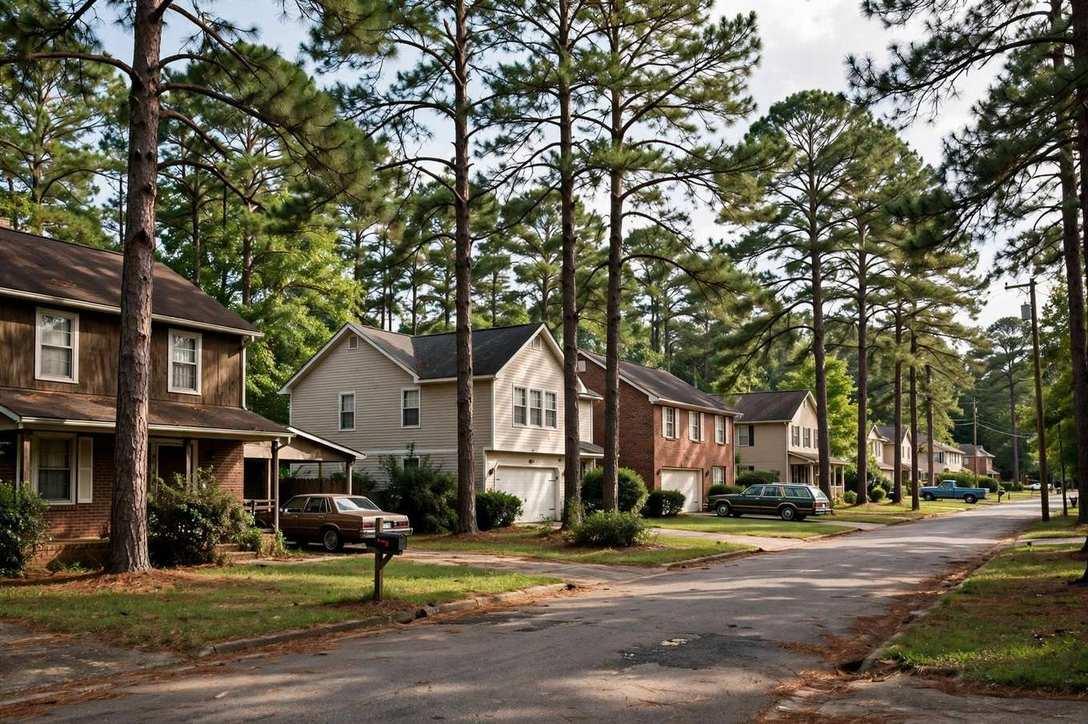
1960s brick ranches — including the 1962-built Forest Hills subdivision — on sloped lots with finished daylight basements. Hydrostatic pressure against below-grade walls is the signature problem here. Our mold inspection in King Springs, Smyrna GA specializes in basement mold inspection and foundation moisture mapping.
Church Street Corridor
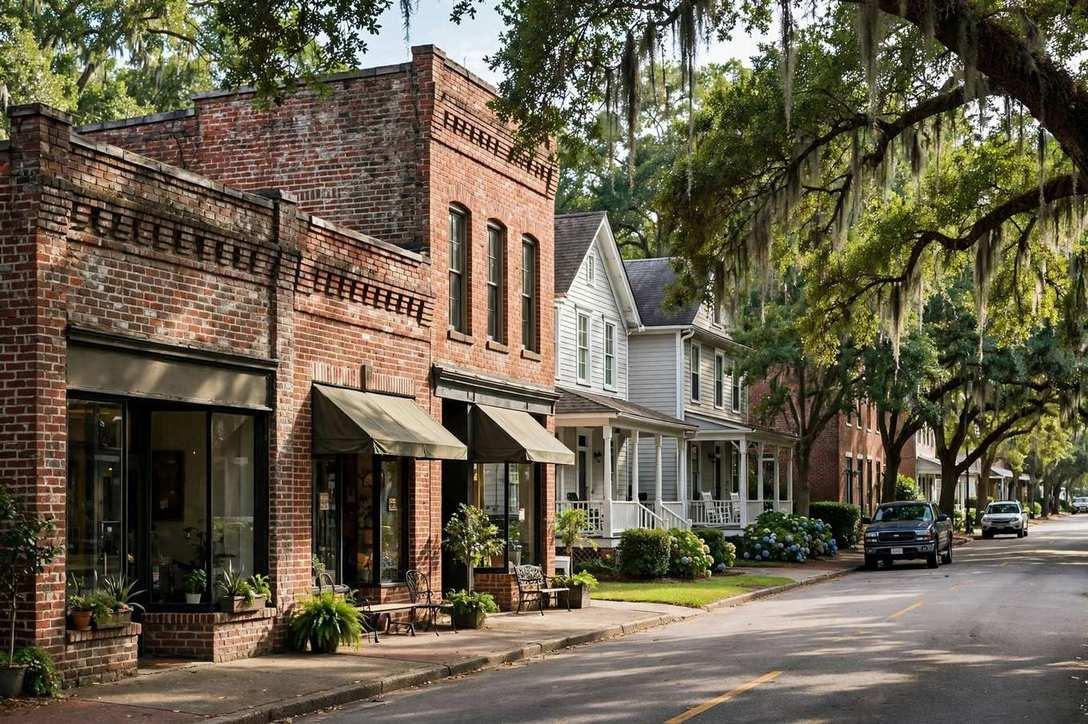
Downtown's luxury infill corridor, where new townhome communities like 2025-built "11 on Church" are replacing older stock along Church Street. New builds trap construction moisture; the remaining older bungalows carry decades of deferred maintenance. Our mold inspection on Church Street, Smyrna GA handles both.
Smyrna Village
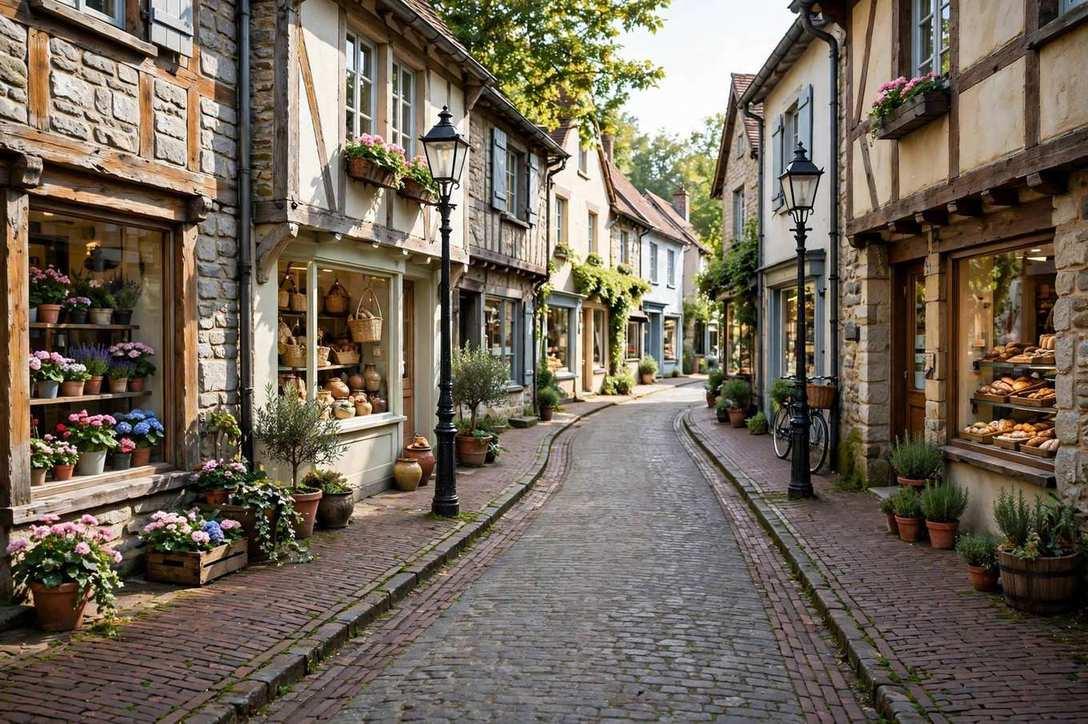
The downtown and Market Village cluster around Atlanta Road and Spring Street — the Village Green, city hall, the library — mixing commercial spaces with surrounding historic residential streets. Our mold inspection in Smyrna Village, GA covers storefronts, restaurants, offices, and the older homes around them, including commercial mold inspection.
Cumberland
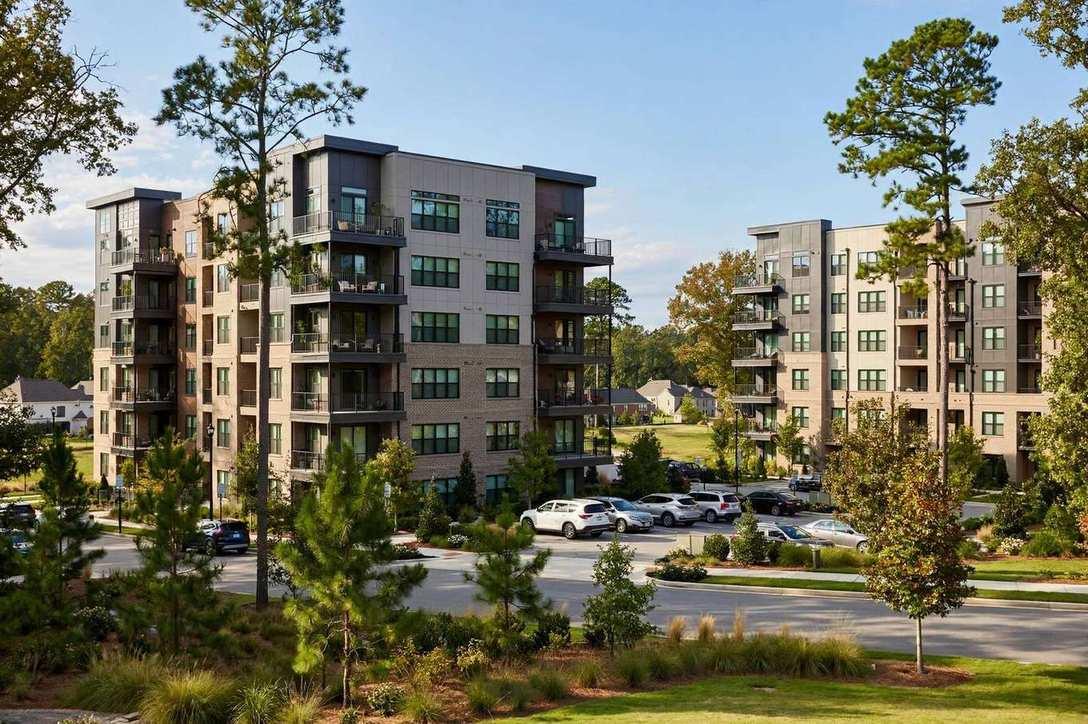
Smyrna's apartment and condo corridor — 1980s complexes like Cumberland Hills and Cortland alongside new luxury mid-rises, minutes from Truist Park and The Battery. Renters, HOAs, and property managers drive demand here. Our mold inspection in Cumberland, Smyrna GA serves tenants documenting conditions and managers protecting portfolios.
Areas We Serve Beyond These Neighborhoods
Our primary mold inspection service areas in Smyrna, GA cover the full city limits in ZIP codes 30080 and 30082. We also serve adjacent unincorporated Cobb County pockets on request — including Vinings, just east of Smyrna along Paces Ferry Road. Vinings isn't a Smyrna neighborhood (it's unincorporated Cobb County), but its 1960s–80s housing stock and Chattahoochee-adjacent lowlands present the same moisture challenges, so we take calls there too.
What a Smyrna Mold Inspection Covers
Every inspection follows the same rigorous protocol, tuned to the neighborhood's risk profile:
- Full visual assessment — interior, attic, crawl space or basement, and building envelope, with infrared thermography to find hidden moisture behind walls.
- Moisture mapping — pin and pinless moisture meters on suspect materials; readings documented, not guessed at.
- Air and surface sampling — viable and non-viable samples sent to an independent accredited lab. We never interpret our own samples; the lab is third-party.
- HVAC evaluation — duct and air-handler inspection, because in Smyrna's climate the HVAC system is often the distribution network for mold spores.
- Written report with lab results — species identified (Cladosporium, Aspergillus, Penicillium, Stachybotrys chartarum, and others), spore counts compared against outdoor baseline, moisture source analysis, and remediation scope guidance.
Need sampling specifically? See our mold testing in Smyrna, GA page. Buying a home? Read about pre-purchase mold inspection — standard Georgia home inspections don't cover mold.
Mold Inspection Cost in Smyrna, GA
Pricing depends on the size of the property, the number of samples, and whether crawl space or attic access is involved. As broad ranges only — not a quote — most single-family visual inspections in the Smyrna market fall in the $300–$600 range, with lab-analyzed air and surface sampling from around $475 and up, crawl space–intensive jobs in the $600–$900 range, and post-remediation clearance testing in the $200–$400 range. Every job gets a written estimate before work begins, and the final price is confirmed in writing before we start. See our mold inspection cost guide for Smyrna, GA for the full breakdown.
Call Smyrna's Neighborhood Mold Inspection Team
Smyrna Mold Inspection 2001 Lake Park Dr SE, Smyrna, GA 30080 (770) 542-0091 info@moldinspectionsmyrnaga.com
One call reaches an inspector who knows your street's housing stock, your watershed, and your era of construction. That's the difference neighborhood-level service makes.
Frequently Asked Questions
All of it. Our mold inspection service areas in Smyrna, GA cover the entire city — every neighborhood page on this site plus everything in between — across ZIP codes 30080 and 30082. If you're inside Smyrna city limits, you're covered.
No — Vinings is unincorporated Cobb County, not the City of Smyrna. We mention it because we do take inspection calls there on request, but it doesn't get its own neighborhood page since our focus is Smyrna proper.
Because the failure patterns are local. A King Springs daylight basement floods from hydrostatic pressure; a Smyrna Heights crawl space grows mold from clay-soil humidity; a Church Street new build traps construction moisture. An inspector who knows the pattern checks the right places first instead of billing you for a generic walkthrough.
Yes. Smyrna Village's Market Village storefronts and restaurants, Cumberland's office and multifamily buildings — our commercial mold inspection covers retail, office, restaurant, and multifamily properties throughout our service areas.
Yes. We inspect rental units for tenants documenting conditions, and we encourage renters to review our Georgia mold rental guide first — it explains how mold issues are handled under Georgia landlord-tenant law.
Most inspections in Smyrna, GA are scheduled within 24–48 hours of your call. If you're under a real-estate contract deadline, tell us when you call (770) 542-0091 — we prioritize pre-purchase inspections with contingency clocks running.