
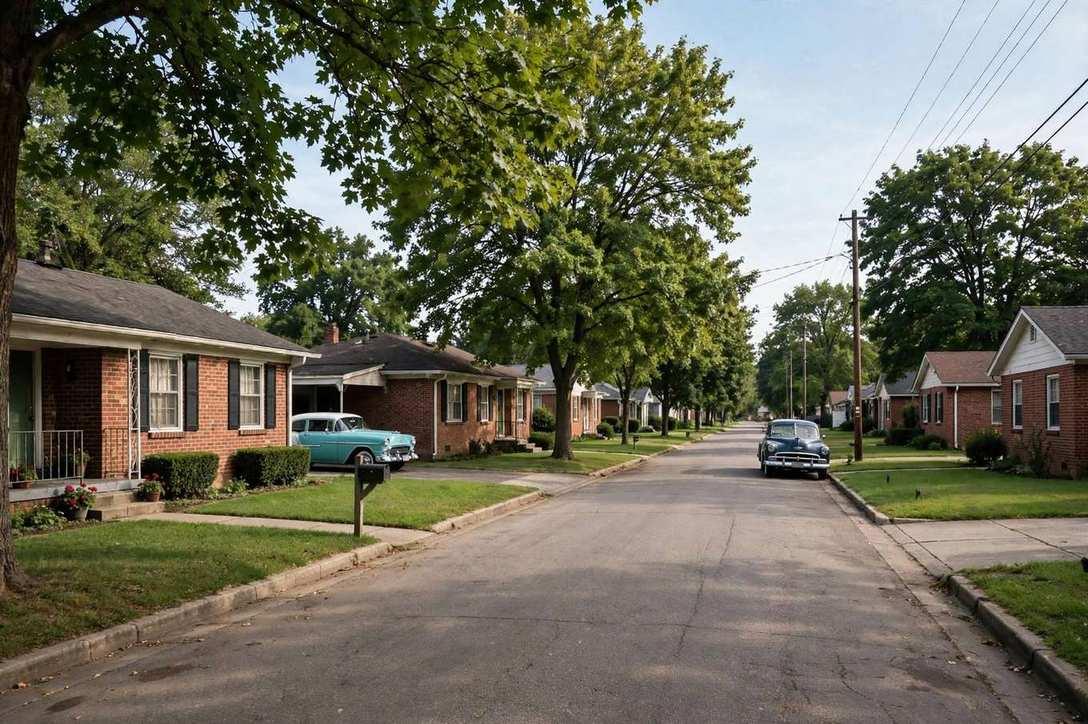
Belmont Hills is Smyrna's study in contrasts. On one side of Windy Hill Road and Atlanta Road, the Belmont mixed-use redevelopment is rising — new David Weekley townhomes, luxury apartment buildings, fresh retail, all built to the latest codes. On the surrounding streets, aging post-war brick-veneer ranches from the 1950s and 60s sit on the same red clay they've occupied for 60-plus years, many with original roofs, original plumbing, and original problems.
Here's what most people get wrong: they assume the new construction is the safe side. New builds have their own mold story — construction-phase rain intrusion into open framing, lumber delivered and installed wet, and tight modern envelopes that trap moisture instead of breathing. And the older ranches have the classic Smyrna profile: vented crawl spaces, failing systems, decades of slow leaks. Our mold inspection in Belmont Hills, Smyrna GA covers both worlds, with a different protocol for each. Call (770) 542-0091.
Two Housing Stocks, Two Mold Profiles
The New Belmont Redevelopment
The Belmont project replaced the old Belmont Hills shopping center with a walkable mix of residential and retail — the kind of density Smyrna hasn't historically built. For mold inspection purposes, new construction in a humid subtropical climate carries specific risks:
- Construction moisture — framing exposed to Georgia's summer thunderstorms before dry-in, concrete slabs curing in high humidity, and drywall installed before the building is truly dry. This moisture gets sealed inside walls by design.
- Tight envelopes, poor drying — modern energy codes produce airtight buildings. That's great for energy bills and terrible for any moisture that gets trapped during construction, which can no longer dry to either side.
- Flat and low-slope roof sections — mixed-use and multifamily rooflines often include low-slope areas where water lingers and finds fastener penetrations.
- First-year settlement — new buildings move. Caulk joints open, flashing shifts, and the first two rainy seasons reveal every weak point in the water management details.
A pre-purchase mold inspection on a new Belmont townhome isn't paranoia — it's how you catch construction-phase moisture before the builder's warranty clock runs out and the trapped moisture becomes a wall-cavity colony.
The Surrounding Post-War Ranches
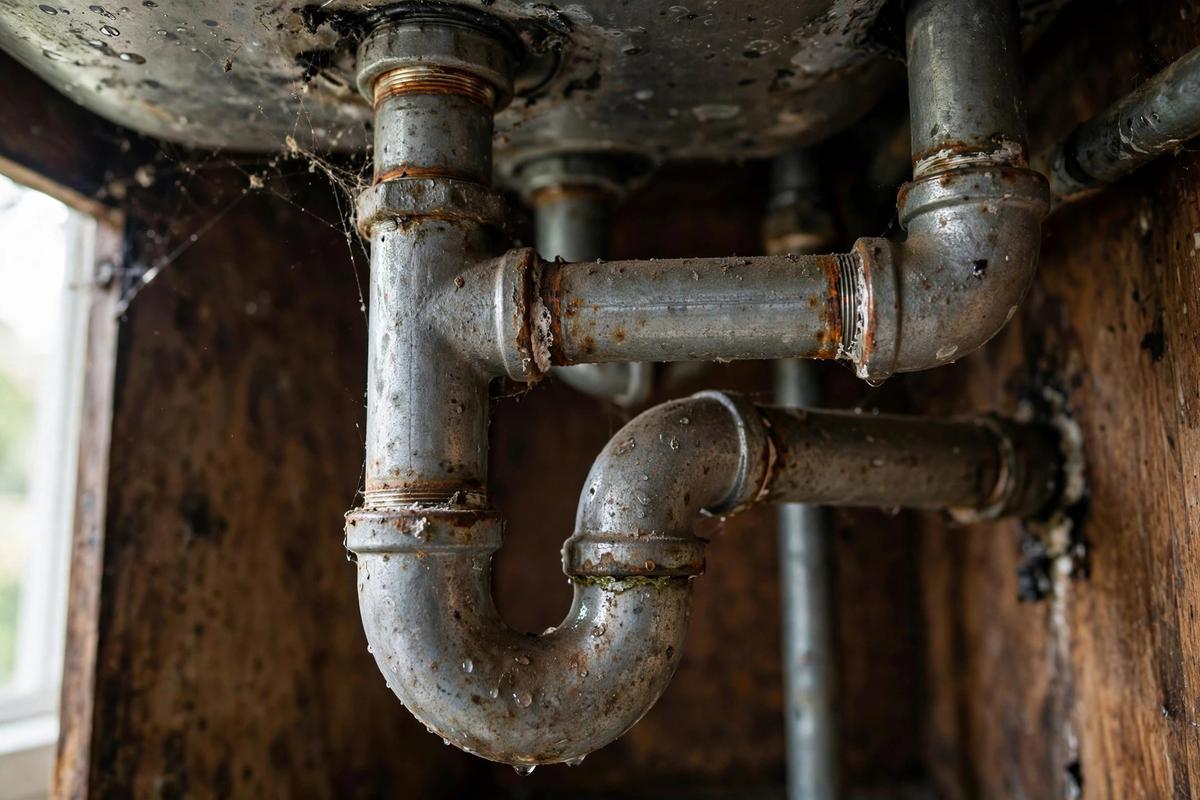
The brick-veneer ranches on the residential streets around the Belmont site are classic mid-century Smyrna: 1950s–60s construction, vented crawl spaces, shallow-pitch roofs now on their second or third covering, and plumbing systems old enough to collect Social Security. Their mold profile is the familiar one — crawl space humidity over red clay, slow attic leaks, pinhole failures in galvanized supply lines — but with a Belmont-specific twist: rising property values are driving rapid flips, and flipped homes get cosmetic makeovers that bury original problems behind new drywall and paint. Our inspections in these homes focus on what's behind the finishes, not the finishes themselves.
The Windy Hill Road & Atlanta Road Corridor Factor
The Belmont Hills area sits at one of Smyrna's busiest intersections, and the corridor geography matters for moisture. The commercial development along Windy Hill Road changed drainage patterns across the area — more impervious surface, more concentrated runoff, and older residential streets absorbing the overflow during heavy events. The September 2009 flood and subsequent tropical-remnant flooding (Sally in 2020, Helene's remnants in 2024, flash flooding as recently as September 2026) hit low-lying pockets around the corridor hard. Homes with any flood history in this area get our expanded flood-protocol inspection: additional wall-cavity moisture checks and targeted air sampling, because 2009-era "dry and repaint" remediation left colonies behind that are still active.
Commercial Spaces Need Inspection Too
The Belmont redevelopment's retail and restaurant spaces — and the older commercial buildings along the Atlanta Road corridor — fall under our commercial mold inspection service. Restaurants with chronic humidity loads, retail spaces with rooftop HVAC units that leak condensate into ceiling cavities, and offices with aging air handlers are all standard commercial mold scenarios. Property managers and business owners in the Belmont Hills area can schedule the same rigorous protocol: infrared assessment, moisture mapping, independent lab sampling, written report.
Attics, Crawl Spaces, and HVAC Across Both Eras
Whether the building is two years old or seventy, the inspection fundamentals apply — tuned to the era:
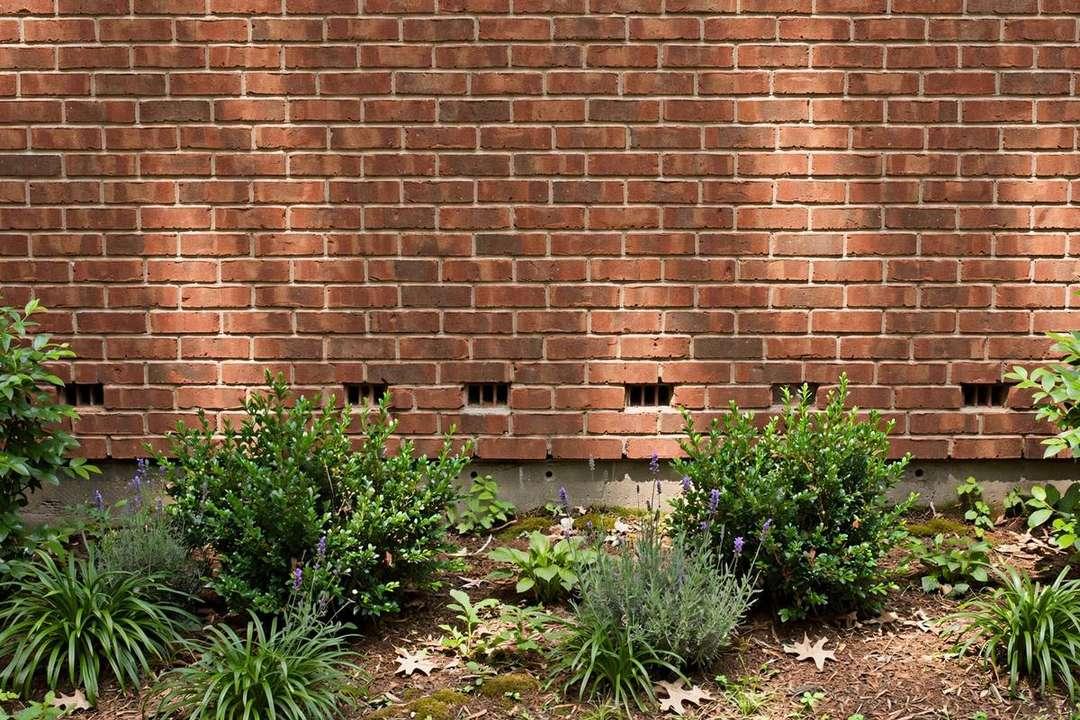
- Crawl spaces (older ranches): full entry, joist moisture mapping, vapor barrier assessment. See crawl space mold inspection.
- Attics (both eras): infrared scan for active leaks, roof-deck moisture readings, ventilation assessment. See attic mold inspection.
- HVAC (both eras): air handler and ductwork evaluation, because new tight homes recirculate everything and old leaky ducts pull from moldy cavities. See hvac mold inspection and indoor air quality testing.
What Our Belmont Hills Inspection Includes
- Full interior visual assessment with infrared thermography
- Crawl space or slab evaluation with moisture mapping
- Attic and roof-deck moisture readings
- HVAC and ductwork evaluation
- New-construction moisture assessment (for Belmont redevelopment homes)
- Air and surface samples to an independent accredited lab
- Written report: species identification, spore counts vs. outdoor baseline, moisture sources, remediation scope guidance
As broad ranges only — not a quote — most Belmont Hills residential inspections fall in the $300–$600 range, with lab-analyzed sampling from around $475 and up. A written estimate comes before work begins, confirmed in writing before we start. See mold inspection cost for the full picture.
Smyrna Mold Inspection 2001 Lake Park Dr SE, Smyrna, GA 30080 (770) 542-0091 info@moldinspectionsmyrnaga.com
Frequently Asked Questions
Yes — new construction is one of the most underappreciated mold risks in Smyrna. Framing gets rained on before dry-in, materials go in wet, and tight modern envelopes trap that moisture inside walls. A pre-purchase inspection on a new Belmont townhome catches construction moisture while the builder's warranty still covers it.
Flips prioritize visible finishes. Behind the new paint and flooring, the original 1950s–60s plumbing, crawl space, and roof deck are usually untouched. Our inspection looks past the cosmetics at the systems that actually grow mold — and we've found active colonies in freshly flipped homes more than once.
It can. Large impervious commercial footprints concentrate stormwater runoff, and during heavy events the surrounding older residential streets take the overflow. If your street ponds or your yard holds water after storms, mention it when you schedule — it changes our moisture-source investigation.
Yes, under our commercial mold inspection service — rooftop units, kitchen humidity loads, and ceiling-cavity condensation are the standard commercial scenarios we assess.
The protocol's core is the same — infrared, moisture mapping, lab sampling — but the emphasis shifts. New builds get construction-moisture and envelope assessment; older homes get crawl space, plumbing-age, and flood-history investigation. The report always explains findings in the context of the building's era.
Usually within 24–48 hours. Buying with a contract deadline? Mention it when you call (770) 542-0091 — pre-purchase inspections with contingency clocks get priority.