
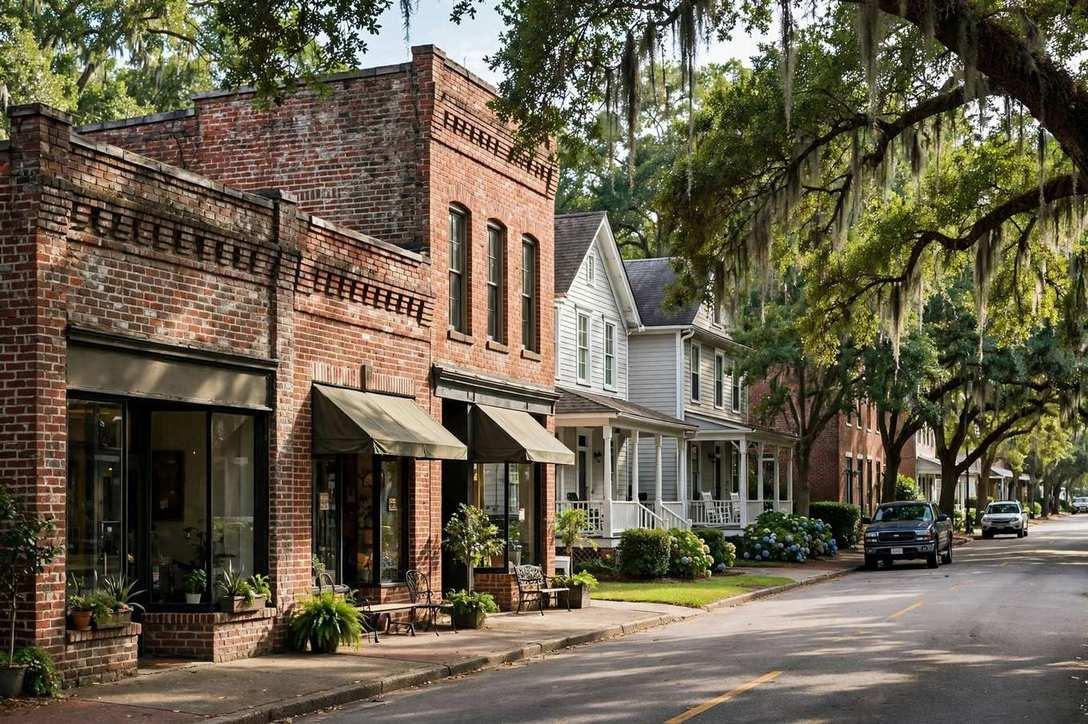
Church Street runs through the heart of downtown Smyrna's transformation. Where modest post-war homes and small commercial buildings once lined the corridor, luxury infill townhome communities are rising — including 2025-built projects like "11 on Church" — each one taller, tighter, and more expensive than what it replaced. It's the most visibly changing streetscape in the city, and it has a mold profile unlike anywhere else in Smyrna: brand-new construction trapping construction-phase moisture, sitting lot-by-lot next to 60-year-old originals with decades of deferred maintenance.
Our mold inspection on Church Street, Smyrna GA handles both sides of that divide. New townhome buyers get construction-moisture and envelope assessment; owners of the corridor's remaining older homes get the full aging-systems workup. Call (770) 542-0091.
The Infill Corridor: New Townhomes, New-Build Moisture
Luxury infill along Church Street follows a familiar pattern: acquire an older lot, scrape the original structure, and build two or three tall, narrow townhomes with rooftop terraces and high-end finishes. The construction is new. The mold risk is real, and it comes from the building process itself:
- Framing exposed to weather — Smyrna's summer thunderstorm cycle doesn't pause for construction schedules. Framing lumber absorbs rain before dry-in, and once the building is closed up, that moisture is sealed inside wall cavities.
- Wet-installed materials — drywall, insulation, and flooring installed before the structure has dried to safe moisture content. The finishes look perfect; the cavities behind them are incubating.
- Tight envelopes — modern energy codes demand airtight construction. Excellent for utility bills, but any trapped construction moisture can no longer dry inward or outward. It stays, and mold colonizes.
- Rooftop terraces and complex rooflines — the signature amenity of Church Street infill is also its signature leak risk. Terrace waterproofing details, railing penetrations, and the intersections of multiple roof planes create dozens of potential water entry points, and the first two rainy seasons test every one.
- Shared walls, shared problems — townhome party walls mean a moisture problem in one unit migrates to its neighbor. A leak in Unit B's terrace becomes mold in Unit A's bedroom wall.
A pre-purchase mold inspection on a new Church Street townhome is about timing: catch construction moisture and envelope defects while the builder's warranty is still active, not two years later when the wall-cavity colony announces itself with a musty bedroom.
The Remaining Older Stock: Bungalows and Ranches Between the Infill
Not every lot on the corridor has turned over. Between the new townhome communities, original mid-century homes remain — smaller ranches and bungalows, many now rentals or awaiting their own redevelopment. Their mold profile is the classic aging-Smyrna package: vented crawl spaces over red clay, original galvanized plumbing, aging roofs, and in rental use, maintenance deferred to the minimum. For these homes, our inspection emphasizes crawl space mold inspection, plumbing-age investigation, and attic mold inspection — the systems where 60 years of wear concentrates.
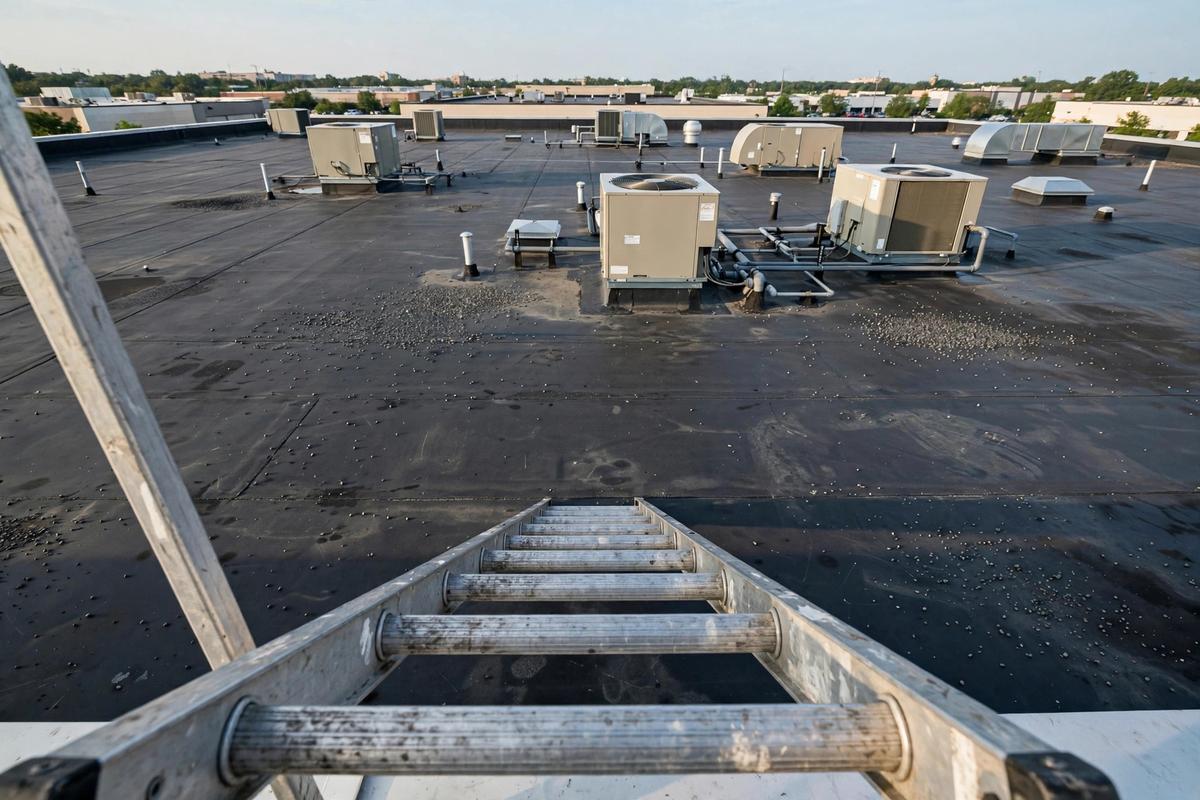
Downtown Proximity Factors
The Church Street corridor's downtown location adds moisture variables the outer neighborhoods don't have:
- Higher water table and urban runoff — dense development means more impervious surface and concentrated stormwater. During heavy events, runoff overwhelms older storm infrastructure and ponds around foundations.
- Construction vibration and grading changes — active infill construction alters drainage on adjacent lots. We've seen established homes develop new foundation moisture patterns after the lot next door was regraded for townhomes.
- Flood history — the corridor sits within the broader central Smyrna watershed affected by the September 2009 flood and subsequent tropical-remnant events. Any Church Street property with flood history gets our expanded flood-protocol inspection.
- Traffic vibration and aging foundations — the corridor's position between the Village Green district and the Atlanta Road commercial strip means constant vehicle vibration, which over decades can open hairline foundation cracks that become moisture entry points during Smyrna's intense summer downpours.
Indoor Air Quality in Tight New Townhomes
One of the most common calls we get from Church Street townhome owners isn't about visible mold — it's about air. Headaches, allergy symptoms, or a persistent "new house" smell that never quite fades. In airtight new construction, everything recirculates: off-gassing from finishes, any mold colonizing trapped construction moisture, and humidity from daily living with nowhere to escape. Our indoor air quality testing measures the actual spore load against an outdoor baseline, and our hvac mold inspection evaluates whether the air handler and ductwork are contributing — a frequent issue when systems were installed and run during the dusty final construction phase.
What Our Church Street Corridor Inspection Includes
- Full interior visual assessment with infrared thermography
- New-construction moisture and envelope assessment (for infill townhomes)
- Crawl space or slab evaluation with moisture mapping (for older homes)
- Attic, roof-deck, and terrace waterproofing review
- HVAC and ductwork evaluation
- Drainage and grading assessment, including adjacent-construction effects
- Air and surface samples to an independent accredited lab
- Written report: species identification, spore counts vs. outdoor baseline, moisture sources, remediation scope guidance — with warranty-relevant documentation for new builds
As broad ranges only — not a quote — most Church Street corridor inspections fall in the $300–$600 range, with lab-analyzed sampling from around $475 and up. A written estimate comes before work begins, confirmed in writing before we start. See mold inspection cost for details.
Smyrna Mold Inspection 2001 Lake Park Dr SE, Smyrna, GA 30080 (770) 542-0091 info@moldinspectionsmyrnaga.com
Frequently Asked Questions
Because "new" describes the finishes, not the moisture history of the structure. Framing rained on before dry-in, materials installed wet, and airtight envelopes that trap it all inside — new construction in a humid climate is a known mold risk. An inspection documents conditions while your builder warranty still applies.
Trapped construction moisture in wall cavities, followed by rooftop terrace waterproofing failures. Both are hidden by design — you won't see either until the damage is extensive, which is exactly why infrared and moisture-meter investigation matters more than a visual walkthrough here.
They can. Moisture migrates through party-wall cavities, and a leak originating in a neighboring unit can produce mold growth on your side of the shared wall. If your neighbor has a known leak, mention it when you schedule — we'll extend the investigation to the shared assembly.
Yes. We inspect rental properties for tenants documenting conditions — and our Georgia mold rental guide explains how mold issues work under Georgia landlord-tenant law before you call.
Regrading next door can redirect stormwater toward your foundation; vibration can open foundation cracks; and altered drainage patterns may take a rainy season to reveal themselves. If infill construction is active adjacent to your property and you've noticed new dampness, that's worth an inspection.
Typically within 24–48 hours. New-build buyers working against a builder warranty deadline or a closing date should mention the timeline when calling (770) 542-0091 — pre-purchase inspections with deadlines get priority scheduling.