
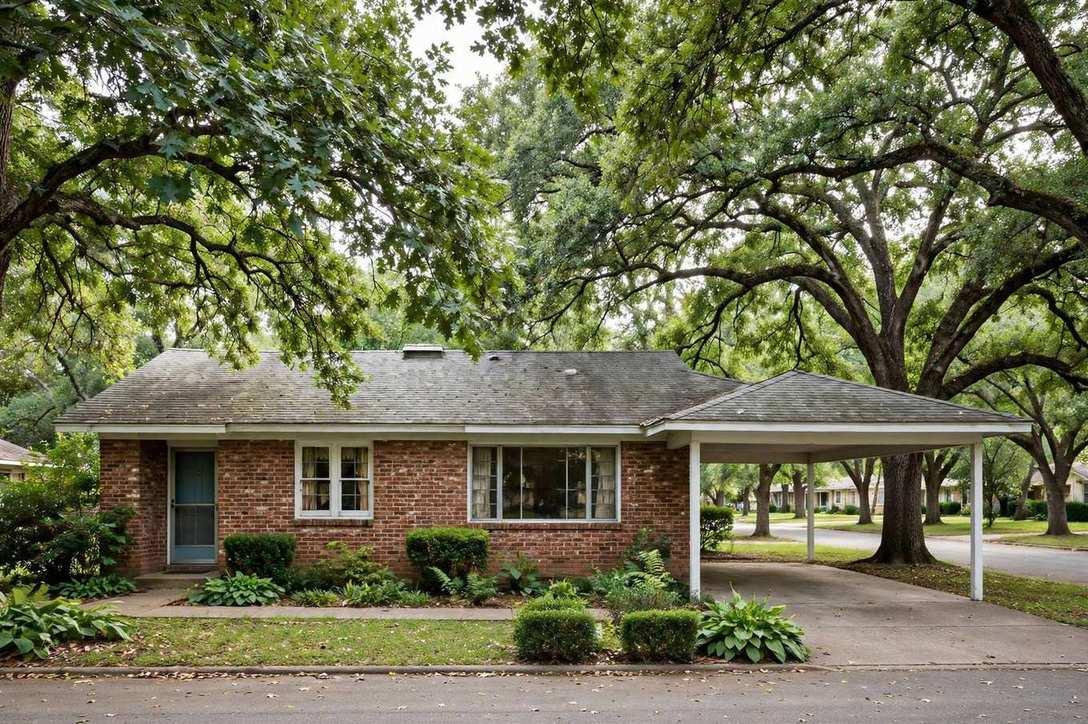
Drive through Smyrna Heights on a Saturday and you'll see the same scene on street after street: solid brick ranch homes built between 1953 and 1959, mature oaks arching over the road, and crawl space vents peeking out just above the red Georgia clay. These houses were built to last — and structurally, most of them have. But 65-plus years of humid subtropical summers, aging roofs, and original plumbing have turned the unseen spaces of Smyrna Heights homes into some of the most mold-prone square footage in Cobb County.
Our mold inspection in Smyrna Heights, GA is built specifically for this housing stock. We know where 1950s ranches fail, we know what the original construction left out, and we know how to find mold that's been growing quietly for years before it ever shows a visible sign. Call (770) 542-0091 for an inspection tuned to your home's era — not a generic checklist.
The Smyrna Heights Housing Stock: 1953–1959 Brick Ranches
Smyrna Heights grew up in the first great wave of Smyrna's suburban expansion, when returning GIs and young families filled new subdivisions with affordable brick ranch homes. The construction tells a consistent story across the neighborhood:
- Brick veneer over wood framing — durable exterior, but the wall cavities were built with no house wrap, no vapor barrier, and minimal insulation by modern standards. Wind-driven rain finds its way in; drying potential is poor.
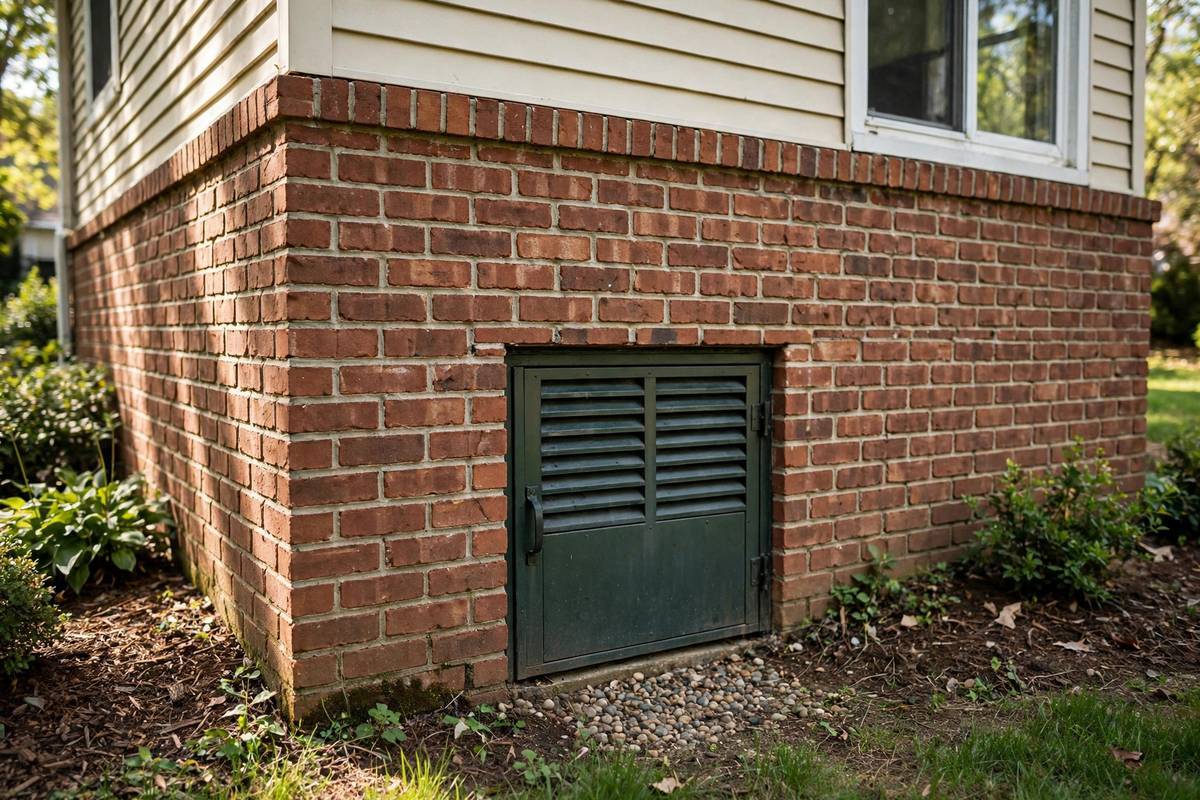
- Vented crawl spaces — nearly universal in Smyrna Heights. Original construction put down little or no ground vapor barrier, and the vents that were supposed to "air out" the space instead pump humid summer air directly onto cool ductwork and floor joists — a textbook condensation setup.
- Low-slope or aging roofs — many homes still carry their second (or in some cases original-era) roof. Ranch rooflines with shallow pitches shed water slowly, and decades of Atlanta-area storm cycles have opened flashing and valleys to slow, hidden leaks.
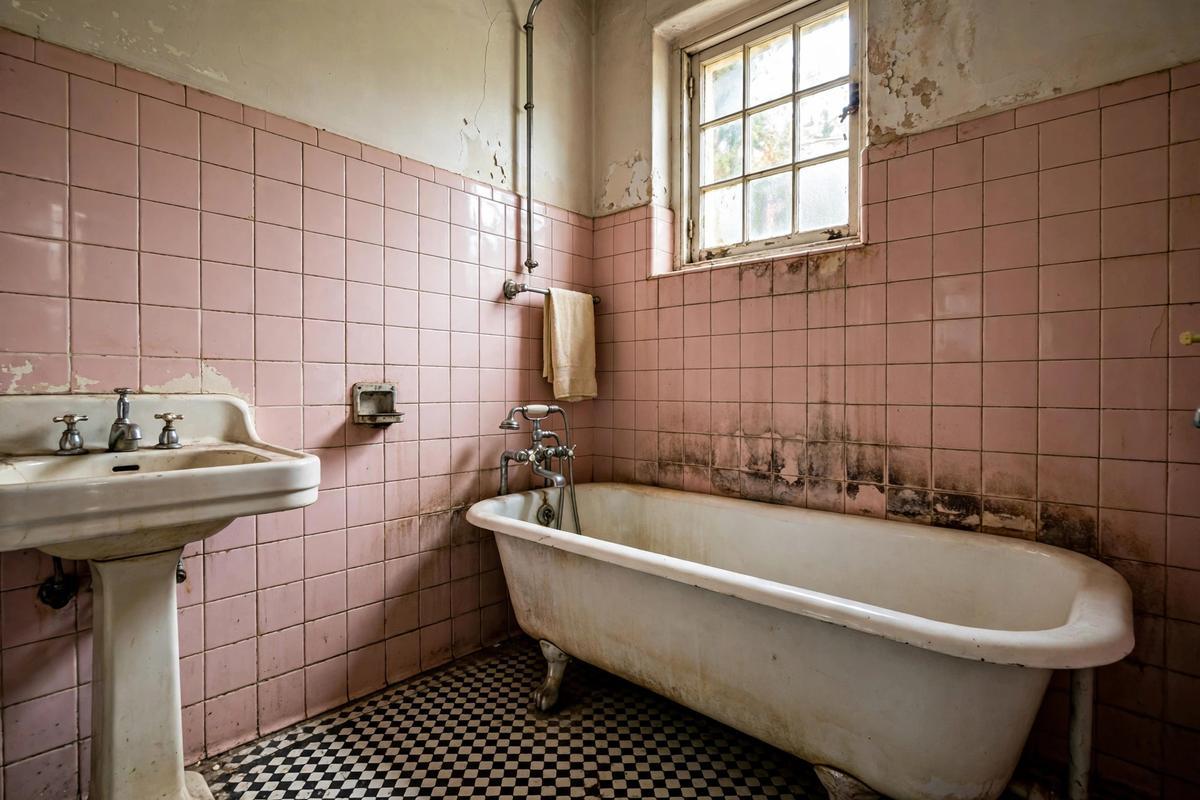
- Original plumbing — galvanized steel supply lines and cast-iron drains are still in service in many Smyrna Heights homes. Galvanized pipe corrodes from the inside out, producing pinhole leaks inside walls that wet insulation and framing for months before anyone notices.
Any one of these is a mold risk. In Smyrna Heights, most homes have three or four of them running simultaneously.
Where Mold Hides in Smyrna Heights Homes
Crawl Spaces: The Number-One Reservoir
If there's a single defining mold problem in Smyrna Heights, it's the crawl space. Red clay soil holds moisture against the foundation like a sponge pressed to a wall. Summer air at 70-plus percent humidity flows through the vents, hits the cooler surfaces of ductwork and subflooring, and condenses. The result: Cladosporium and Aspergillus colonies on floor joists, mold on the paper backing of fiberglass insulation, and musty air being drawn up into the living space through every plumbing and wiring penetration.
Our crawl space mold inspection in Smyrna, GA includes full under-house entry with headlamp and respirator, moisture-meter readings on joists and subfloor, and surface sampling where growth is visible. If your crawl space has standing water or chronically damp soil, we'll document it and explain what the moisture source means for remediation scope.
Attics: Slow Roof Leaks, Big Colonies
The shallow ranch rooflines of Smyrna Heights don't fail dramatically — they fail slowly. A lifted shingle tab or cracked boot flashing around a vent pipe lets in a cup of water per storm. Over five years, that's a thriving Penicillium colony on the roof decking, completely invisible from the living space below. We inspect every accessible attic with moisture meters and infrared imaging, because by the time an attic leak stains a ceiling, the colony above it is mature. See our attic mold inspection for the full protocol.
Inside Walls: Plumbing Pinholes
Galvanized supply lines in 1950s Smyrna Heights homes are living on borrowed time. Pinhole leaks spray fine mist inside wall cavities — not enough to drip, not enough to show, but plenty to saturate insulation and feed Stachybotrys chartarum on the paper facing of drywall. When we find elevated moisture in a wall during inspection, we trace it to the source rather than just noting "elevated readings" and moving on.
HVAC Systems: The Distribution Network
Many Smyrna Heights homes still run ductwork installed decades ago — flex duct in vented attics, sheet metal in crawl spaces, or both. Leaky return ducts in a moldy crawl space don't just waste energy; they pull spore-laden air straight into the living space. Our HVAC mold inspection evaluates the air handler, evaporator coil, and ductwork as a system, with air sampling to compare indoor spore counts against the outdoor baseline.
The 2009 Flood's Long Shadow Over Smyrna Heights
Smyrna Heights sits in central Smyrna, within the broader watershed that feeds Rottenwood Creek — the waterway that hit a record 11.74 feet during the September 2009 flood. Homes near the creek's tributary drainages took on water that September, and the remediation standard of the era was often "dry it with fans and repaint." Mold doesn't work that way. Colonies established in wall cavities and subflooring during that event can persist for decades, flaring whenever humidity spikes.
If your Smyrna Heights home has any flood history — 2009 or the tropical-remnant events since — tell us when you call. Flood-history homes get an expanded inspection protocol with additional wall-cavity moisture checks and targeted air sampling.
Buying a 1950s Ranch in Smyrna Heights? Inspect for Mold First
Smyrna Heights is one of Smyrna's most competitive pockets for buyers who want an affordable brick ranch close to downtown and the Village Green. But a standard Georgia home inspection doesn't cover mold — inspectors note "visible microbial growth" at best and disclaim the rest. With 70-year-old plumbing, original-era crawl spaces, and aging roofs in play, a dedicated pre-purchase mold inspection is the highest-ROI contingency a Smyrna Heights buyer can add. We've found active colonies in homes that "passed" general inspection the same week.
What Our Smyrna Heights Inspection Includes
- Full interior visual assessment with infrared thermography
- Complete crawl space entry and moisture mapping
- Attic inspection with roof-deck moisture readings
- HVAC and ductwork evaluation
- Air and surface samples to an independent accredited lab (we never interpret our own samples)
- Written report: species identified, spore counts vs. outdoor baseline, moisture sources, remediation scope guidance
As broad ranges only — not a quote — most Smyrna Heights single-family inspections fall in the $300–$600 range, with lab-analyzed sampling from around $475 and crawl space–intensive work in the $600–$900 range. You'll receive a written estimate before work begins, confirmed in writing before we start.
Smyrna Mold Inspection 2001 Lake Park Dr SE, Smyrna, GA 30080 (770) 542-0091 info@moldinspectionsmyrnaga.com
Frequently Asked Questions
Extremely common. The combination of vented crawl spaces, red clay soil, no original vapor barrier, and 70 percent ambient humidity means the majority of unencapsulated crawl spaces in Smyrna Heights show at least some fungal growth on joists or insulation backing. An inspection tells you whether it's cosmetic surface mold or an active, spreading colony.
Quite possibly. Cosmetic remodels — new kitchens, new bathrooms, fresh paint — routinely cover up original plumbing, original wall cavities, and original crawl spaces without addressing them. We've found active mold behind brand-new drywall in flipped Smyrna Heights ranches more than once.
Sometimes. Growth patterns, the location of colonies relative to documented waterlines, and the species present can all point toward a historical water event versus an ongoing leak. If your home has flood history, mention it when you schedule — it changes where we look first.
Both. Visual assessment finds the obvious; air and surface sampling sent to an independent accredited lab finds what visual assessment can't — elevated indoor spore counts, hidden-wall-cavity mold indicated by air patterns, and species identification that determines health relevance and remediation scope. See our mold testing page for detail.
Most single-family inspections run two to three hours, longer if the crawl space is extensive or difficult to access. Lab results typically follow within two to three business days, and your written report arrives with them.
Stachybotrys chartarum — "black mold" — needs prolonged saturation to establish, which is exactly what chronic crawl space moisture and slow plumbing leaks provide. If you're concerned, our black mold inspection protocol adds targeted sampling for it. Call (770) 542-0091 and we'll advise whether your situation warrants it.