
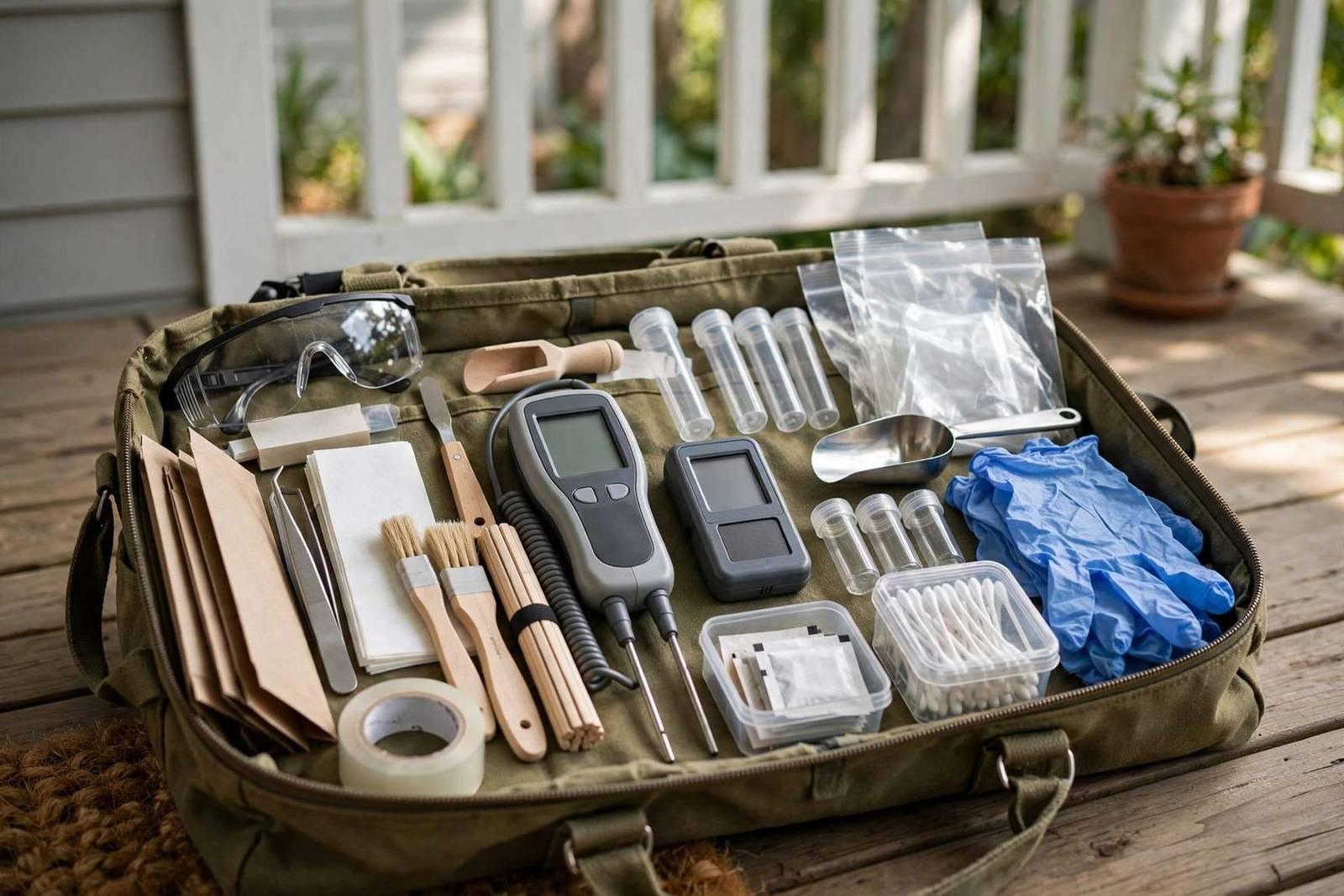
Buying a home in Smyrna is competitive. Desirable streets near Market Village, the Belmont area, and the Church Street corridor move fast — and in a fast market, buyers are tempted to waive every contingency that might slow the deal. A mold inspection when buying a house is one contingency you should think twice about skipping, especially in Cobb County.
Here is why it matters here specifically, what it covers, and how to handle it without killing your deal.
For BuyersWhy Standard Home Inspections Miss Mold
Georgia's standard home inspection is a generalist's survey: structure, roof, electrical, plumbing, HVAC, appliances. It is valuable — but it is not a mold assessment. General inspectors:
- Do not carry calibrated moisture meters or thermal cameras as a rule, so dampness inside wall cavities goes undetected.
- Are not trained to recognize the early visual signatures of microbial growth versus ordinary staining.
- Do not take air or surface samples, so there is no lab documentation of what is airborne.
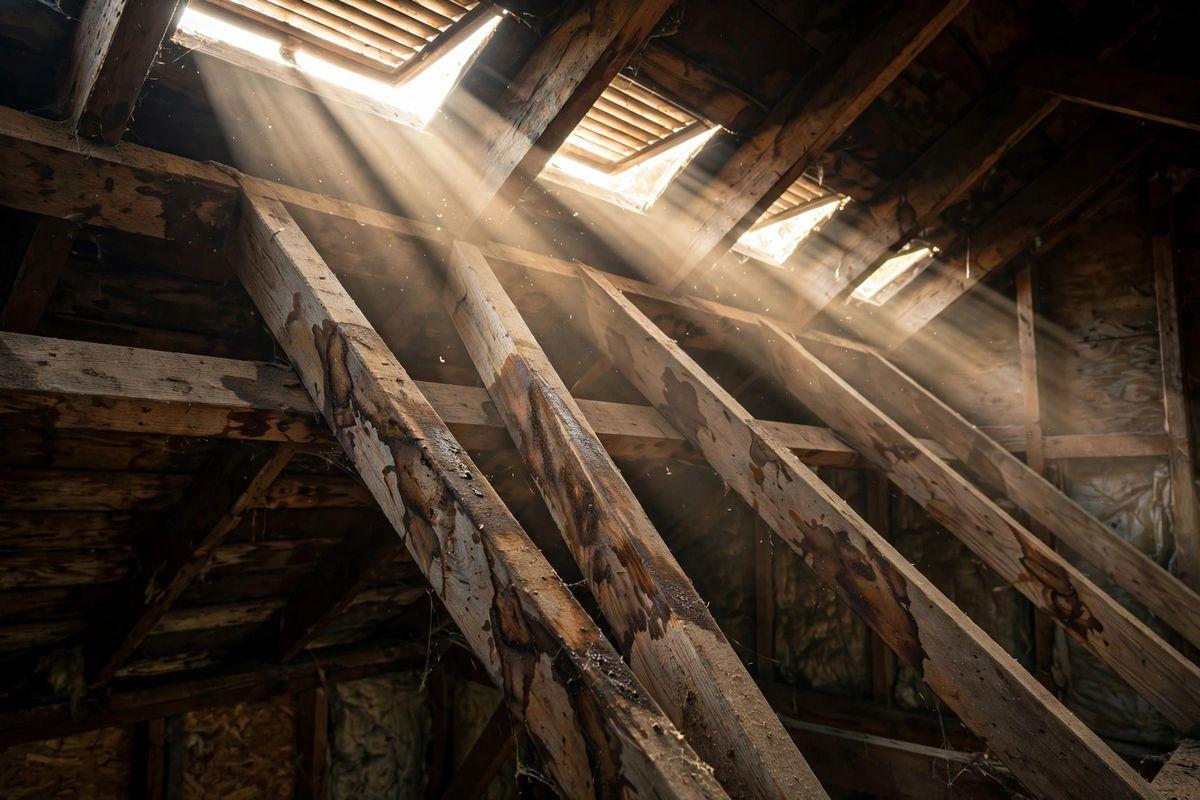
- Spend limited time in crawl spaces and attics — precisely where Smyrna's mold problems live.
A general inspector may flag "possible microbial growth" and recommend further evaluation. That recommendation is your cue: it means "I saw something I am not qualified to assess." Take it seriously.
Smyrna and Cobb County: Why Local Risk Runs Higher
Several local factors make pre-purchase mold diligence more important here than in drier markets:
Aging ranch stock. Much of Smyrna's for-sale inventory is 1940s–1970s brick ranch homes. Sixty-plus years of plumbing, roofing cycles, and foundation settling means decades of opportunities for slow leaks — many repaired cosmetically, few dried properly.
Flood history. The September 2009 flood put parts of Smyrna under water, with Rottenwood Creek cresting at 11.74 feet. Later tropical remnants — Sally in 2020, Helene in 2024 — added more events. A home that "never flooded" according to the seller may still have taken on water through seepage or storm-drain backup. Moisture trapped in wall cavities in 2009 can still be feeding mold today.
Flipped properties. Smyrna's investor activity is strong, and cosmetic flips are common. Fresh paint and new flooring can mask water staining and microbial growth that a flipper chose not to remediate. New finishes over old moisture problems are a classic pre-purchase trap.
Vented crawl spaces. If the home sits on a vented crawl space over red clay — as most Smyrna ranches do — assume elevated risk until a professional with a moisture meter says otherwise.
What a Pre-Purchase Mold Inspection Covers
A proper pre-purchase assessment, like the one described on our pre-purchase mold inspection page, goes well beyond a walkthrough:
- Targeted moisture mapping of kitchens, bathrooms, laundry areas, water heater closets, and exterior walls.
- Crawl space and attic evaluation — the two areas general inspections shortchange.
- HVAC inspection, since you are inheriting the duct system and everything living in it.
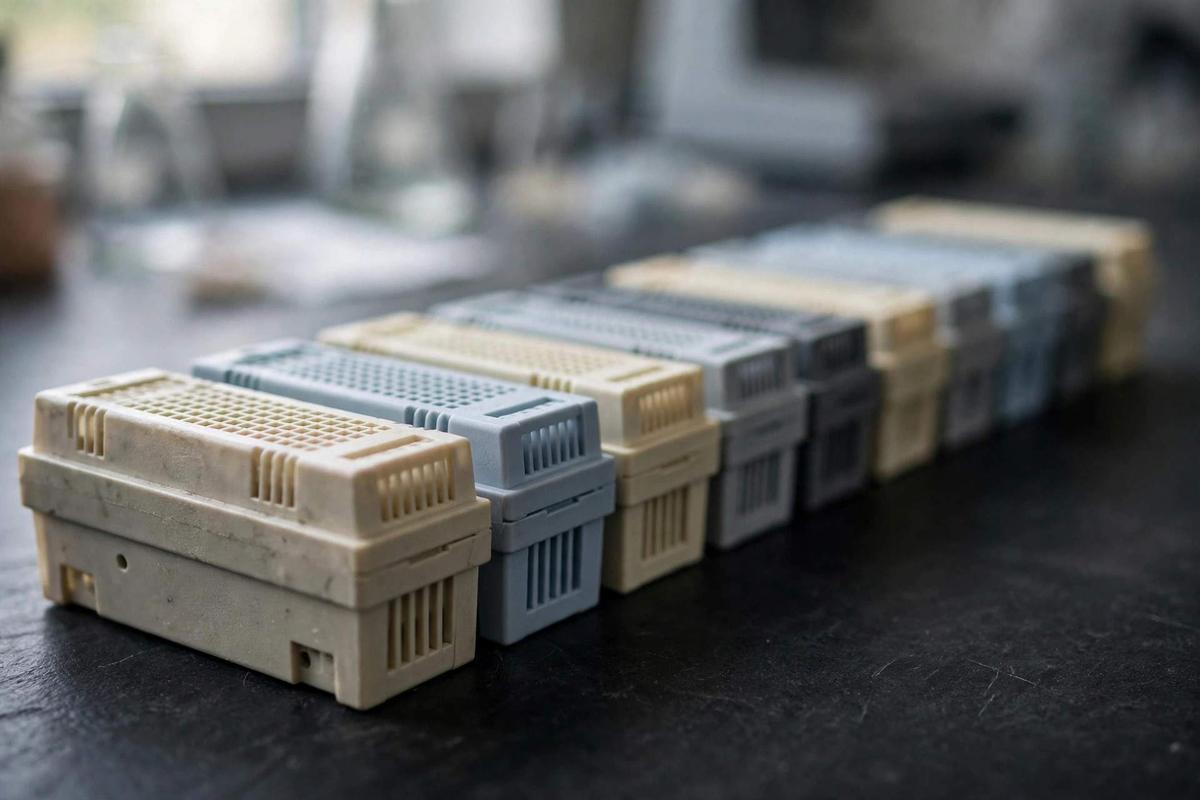
- Air and surface sampling when conditions warrant, with lab analysis documenting species and spore levels.
- A written report you can share with your agent, the seller, and your attorney — documentation that supports negotiation.

Using Findings in Negotiation
A mold finding is not automatically a deal-breaker — it is leverage and information. Depending on severity, buyers commonly:
- Request seller remediation by a qualified contractor, with independent clearance testing before closing.
- Negotiate a credit or price reduction reflecting the cost of professional remediation (get contractor estimates in writing).
- Walk away if the problem is extensive, structural, or the seller will not engage — an inspection contingency exists precisely for this.
Discuss strategy with your real estate agent and attorney. What matters is that you are negotiating from documented facts, not guesses.

Timing: When to Schedule It
Order the mold inspection alongside — not after — your general home inspection, within the inspection contingency window. If the general inspector flags moisture concerns, you are already positioned to follow up immediately. For competitive offers, some buyers schedule both inspections back-to-back in a single day. Rush lab analysis is usually available when a closing date is tight.
What About New Construction?
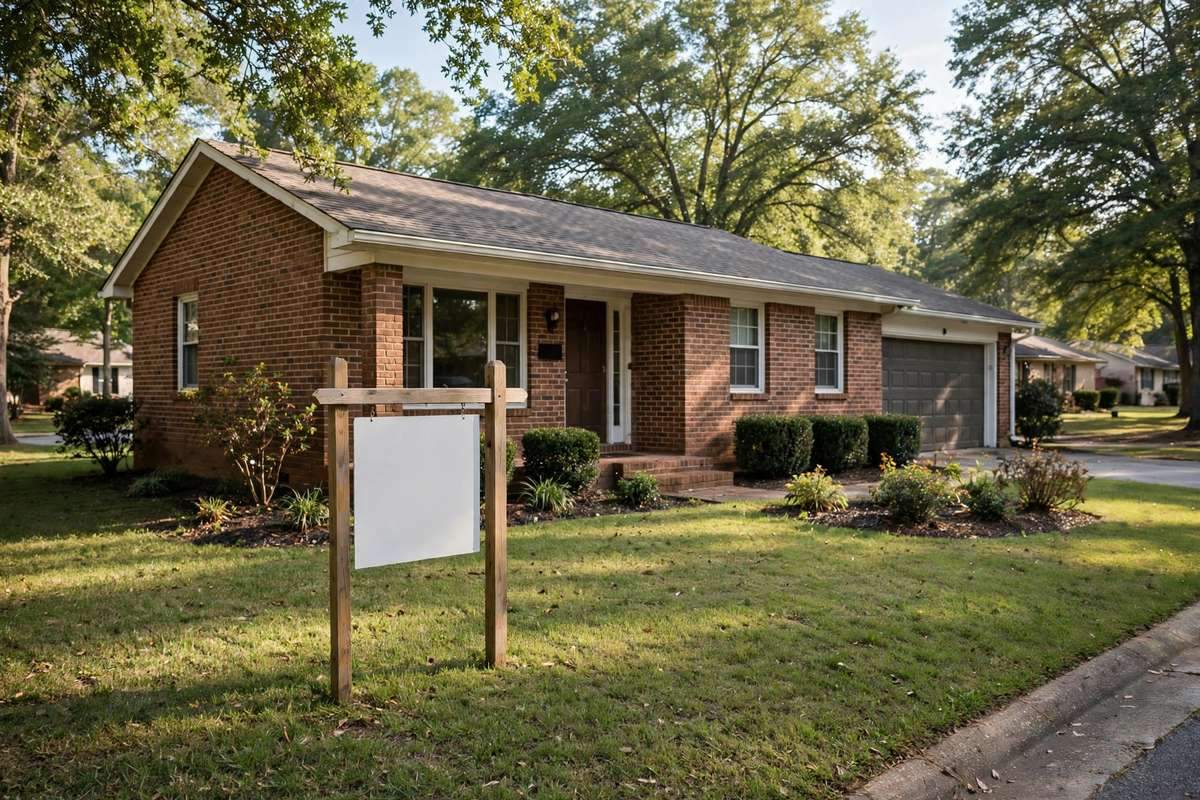
New builds are not immune. Construction-phase rain exposure, lumber stored damp on site, and HVAC systems run during finishing work can all seed mold before you ever get the keys. A pre-drywall or pre-closing mold check on new Smyrna infill — townhomes along the Church Street corridor, new builds in Belmont — is inexpensive insurance on a major purchase.
From the BlogFrequently Asked Questions
Given the local housing stock, flood history, and humidity, it is one of the highest-value contingencies you can keep. The cost of an inspection is minor compared to discovering a crawl space remediation after closing.
Rarely. Inspections are typically scheduled within days, reports follow quickly, and rush lab service exists for tight timelines. The delays that kill deals come from discovering mold late — not from looking for it early.
A seller can refuse any inspection, but in practice most allow it during the inspection period. If a seller refuses a mold-specific inspection while permitting others, treat that as information.
The buyer, in nearly all cases — just like the general home inspection and appraisal. Consider it part of your due-diligence budget.
---
Under contract on a Smyrna home? Call Smyrna Mold Inspection at (770) 542-0091 before your contingency window closes. We work on buyer timelines, provide rush lab options, and deliver the written documentation your agent needs. Serving Smyrna, GA 30080 and 30082.