
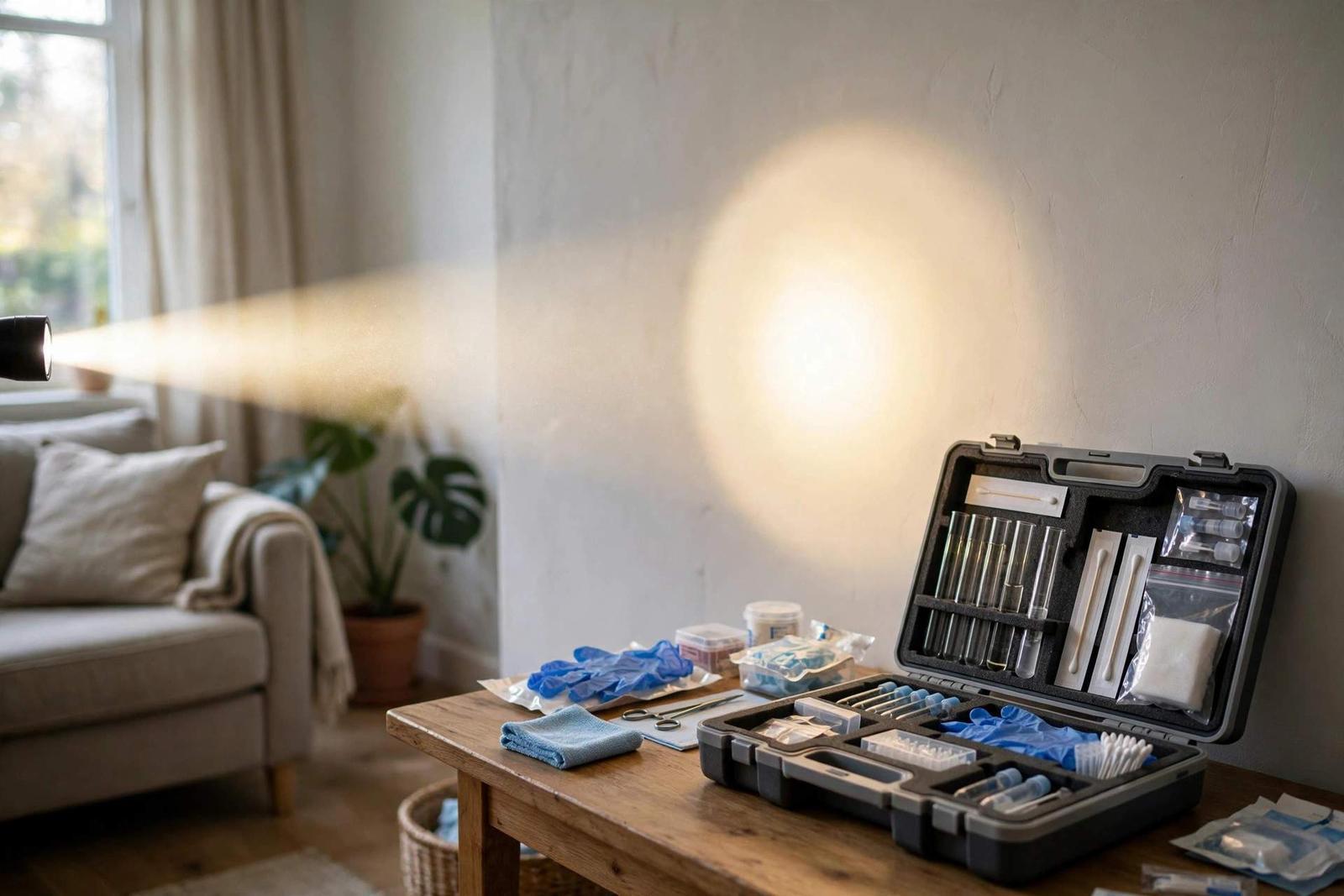
If there is one place mold loves in Smyrna, Georgia, it is the crawl space. Most of the city's beloved 1940s–1970s brick ranch homes sit on vented crawl spaces dug into red Georgia clay — a combination that practically manufactures the damp, stagnant conditions mold needs. Ask any local inspector where they find growth most often, and the answer is immediate: under the house.
This guide explains why Smyrna crawl spaces are so vulnerable, how to recognize trouble, and what to do about it.
Crawl SpacesWhy Smyrna Crawl Spaces Grow Mold
Mold needs three things: moisture, food, and time. A typical Smyrna crawl space serves all three on a platter.
Red clay traps water. Georgia's famous red clay drains poorly. After every storm — and Smyrna gets about 50 inches of rain a year — water lingers in the soil around and beneath foundations instead of percolating away. That moisture evaporates upward into the crawl space continuously.
Vented foundations invite humid air. Building practice for decades was to ventilate crawl spaces with outdoor air. In our climate, that logic backfires: 90-degree outdoor air at 70 percent humidity enters a cooler crawl space, and condensation forms on floor joists, ductwork, and pipes all summer long. The vents meant to dry the space actively wet it.
The food is the house itself. Floor joists, subflooring, and wooden beams are an all-you-can-eat buffet for mold. Add paper-backed insulation sagging between joists, and colonies have both dinner and a damp blanket.
Time does the rest. Crawl spaces are out of sight and out of mind. Years pass between visits. A small moisture issue in 2019 becomes a joist-coating colony by 2026.
Warning Signs of Crawl Space Mold
You may never go down there — but your house will tell you:
- Musty odors, especially near floor vents or when the HVAC runs. Up to half the air you breathe upstairs originates in the crawl space (the stack effect), so crawl space air quality is indoor air quality.
- Bouncy or sagging floors, indicating joist decay from prolonged moisture and fungal activity.
- High indoor humidity that your air conditioner cannot seem to tame.
- Allergy or respiratory symptoms that ease when you leave home — with the usual caveat that this is general information, not medical advice; see your doctor for health concerns.
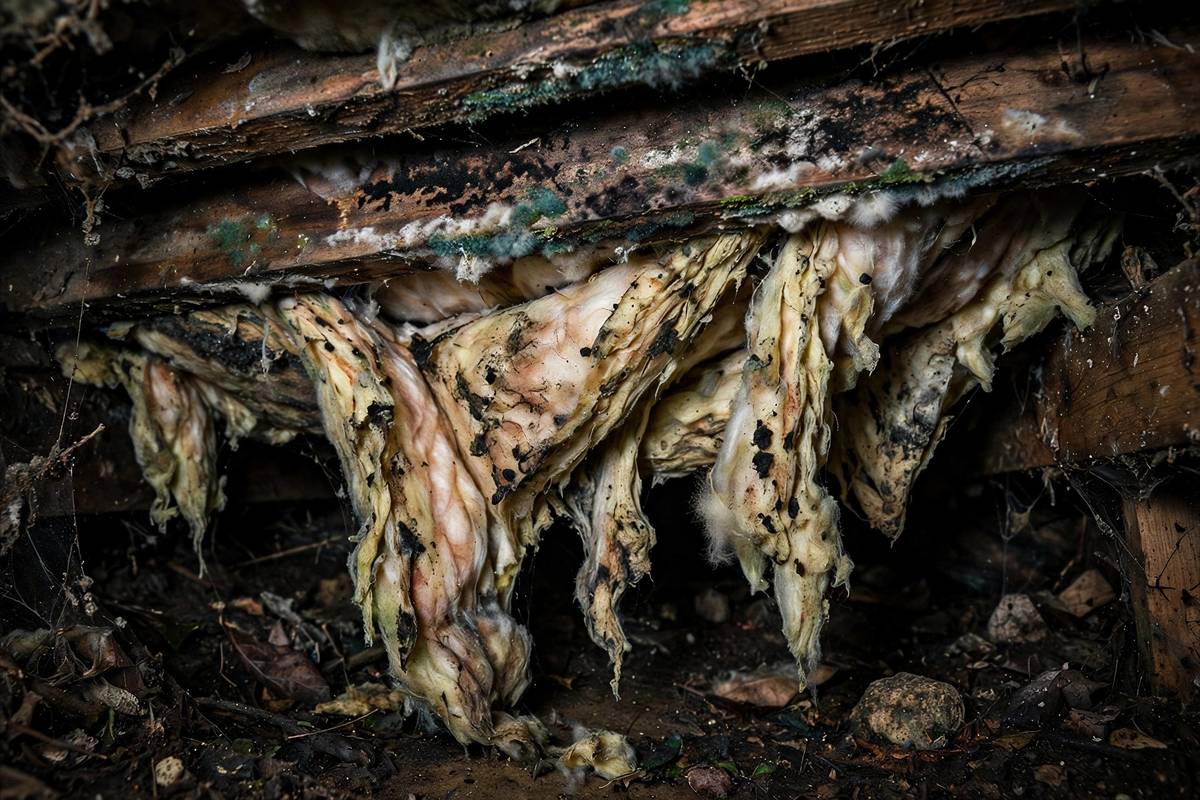
- Visible growth or staining on joists and subflooring, if you do venture underneath with a flashlight.
- Standing water or persistently damp soil visible through the access hatch after rain.
Any of these merit a professional look. Our crawl space mold inspection page details exactly what that visit includes.
The Risks of Ignoring It
Crawl space mold is not just a smell problem:
- Structural damage. Wood-decay fungi and prolonged mold colonization weaken joists, beams, and subflooring. Repairs escalate from hundreds to thousands quickly once structural members are compromised.
- Indoor air quality. Spores and microbial volatile organic compounds ride the stack effect into living spaces, where your family breathes them daily.
- Pest attraction. Damp wood draws termites and wood-boring beetles — a second expensive problem riding on the first.
- Energy waste. Wet insulation performs poorly, and damp ductwork forces your HVAC to work harder through Smyrna's long cooling season.
- Resale impact. Crawl space mold found during a buyer's inspection routinely delays or derails closings in our market.
What a Professional Crawl Space Inspection Involves
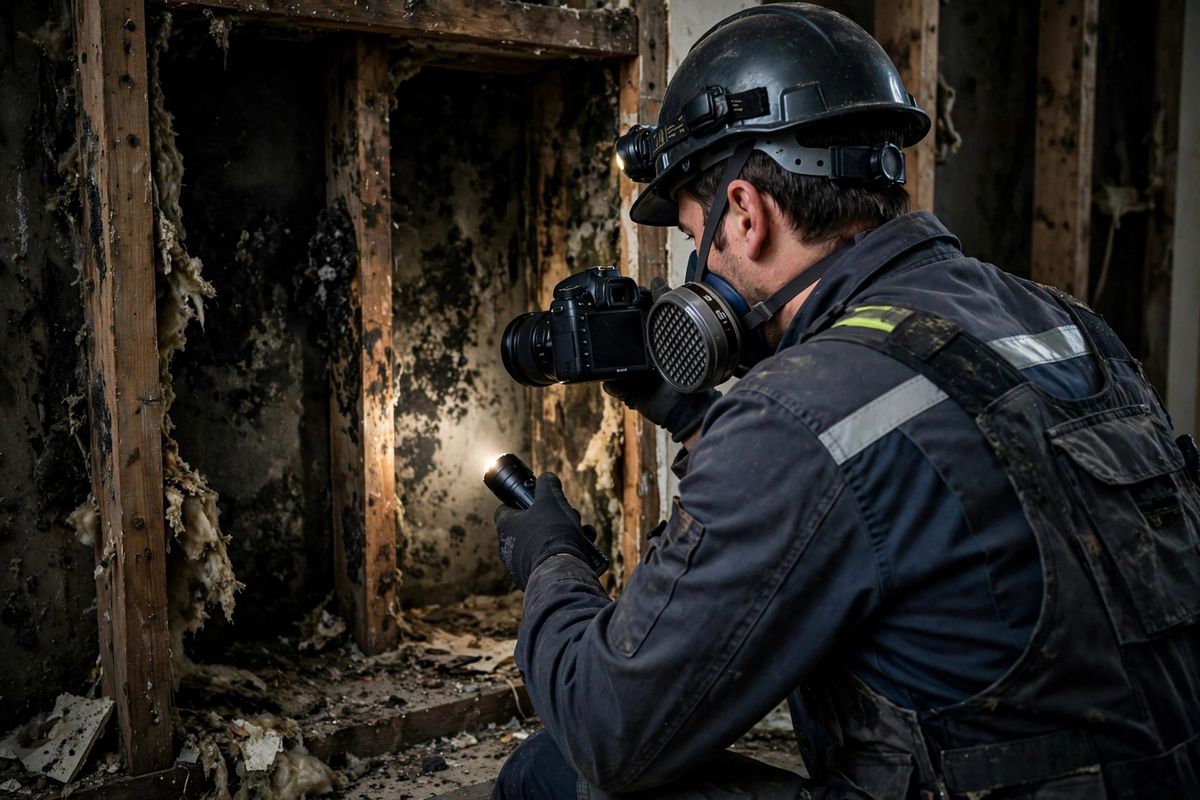
Expect the inspector to suit up and physically enter the space — this is not a job done from the hatch with a flashlight. A proper assessment includes:
- Full visual documentation of growth, staining, and decay on all structural wood.
- Moisture meter readings across joists and subflooring (wood moisture above ~16–20 percent is the danger zone).
- Standing water and drainage assessment, including grading and gutter discharge observations.
- Vapor barrier evaluation — many Smyrna crawl spaces have thin, torn, or missing ground covers.
- HVAC duct and insulation review, since sweating ducts are both a symptom and a spreader.
- A written report with photos and prioritized recommendations.

Prevention and Long-Term Fixes
Once any active growth is professionally addressed, keeping the crawl space dry is the long game:
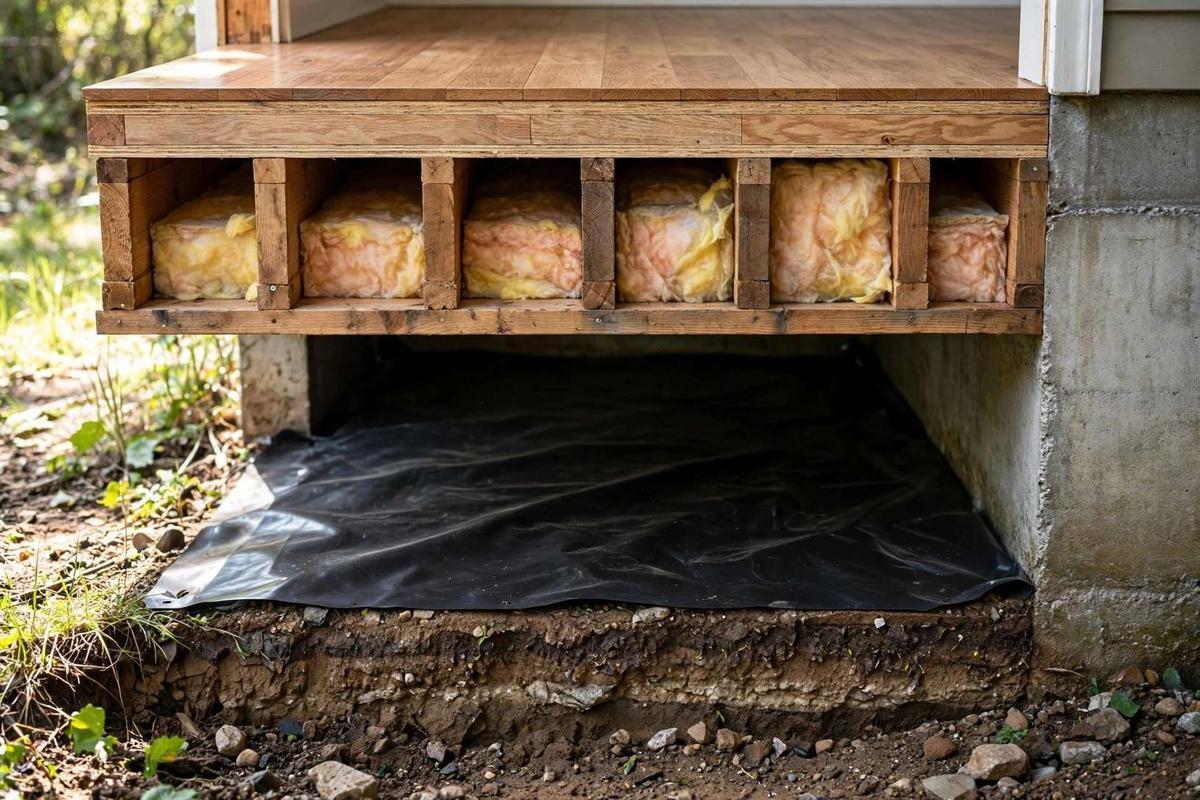
- Heavy-duty vapor barrier. A thick, sealed ground cover over the clay dramatically cuts moisture evaporation. This is the single highest-impact upgrade for most Smyrna crawl spaces.
- Sealed vents and dehumidification. Closing foundation vents and installing a dedicated crawl space dehumidifier converts the space from a moisture trap to a controlled environment.
- Drainage corrections. Extend downspouts well away from the foundation and correct grading so water flows away from the house, not toward it.
- Encapsulation. A full encapsulation system — sealed liner, sealed vents, dehumidification, conditioned air — is the gold standard for our climate. Costs vary widely by crawl space size and condition, so treat any figures you see as broad ranges and always get a written estimate before work begins.
Frequently Asked Questions
Extremely common. The combination of vented foundations, red clay, and ~70 percent average humidity makes some degree of crawl space microbial activity the norm rather than the exception in older Smyrna homes. The question is severity, which is what an inspection determines.
Bleach may lighten surface staining on non-porous materials, but it does not penetrate wood, does not fix the moisture source, and the growth returns. Worse, disturbing colonies without containment spreads spores into your ductwork and living areas.
It helps enormously — often cutting moisture load by more than half — but it is one component. Vent sealing, drainage, and dehumidification each address a different moisture pathway. A professional assessment prioritizes what your specific crawl space needs.
Every one to two years for vented crawl spaces, and after any major storm, plumbing leak, or flooding event. Encapsulated, dehumidified spaces can stretch longer between checks.
---
Suspect your crawl space is harboring mold? You are probably right — most Smyrna homeowners who suspect it are. Call Smyrna Mold Inspection at (770) 542-0091 for a thorough crawl space assessment with moisture mapping, photos, and a written report. Serving Smyrna, GA 30080 and 30082.